+91 93776 04923 [email protected] Surat, Gujarat, India · Exporting worldwide

Blog

7 Tips for Buying Magnetic Levitation Windows?

7 Tips for Buying Magnetic Levitation Windows?

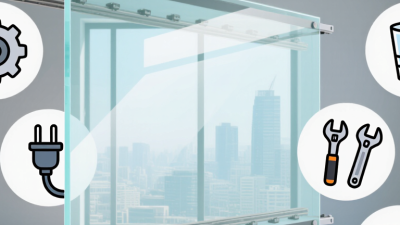
Buying Magnetic Levitation Windows can feel like choosing a product from the future. Their floating appearance may transform a living room, office, or showroom, especially when daylight passes around a frameless glass panel. Yet the visual effect should not replace careful judgment. A window must still manage weather, heat, noise, safety, and daily operation. This guide presents seven practical tips for evaluating these specialized systems. It considers the levitation mechanism, glass construction, power requirements, installation conditions, maintenance access, supplier credibility, and long-term warranty support. Check the technical drawings. Ask how the panel behaves during a power failure. Confirm the load capacity, movement range, emergency stopping features, and resistance to moisture. Small details matter. Some product descriptions use impressive language without measurable evidence. That deserves caution. Request test reports, material specifications, installation references, and clear performance ratings from the manufacturer. A qualified installer should inspect the wall structure before ordering, because a beautiful glass panel cannot compensate for weak support. Local building and electrical requirements also need professional review. Expect trade-offs. Magnetic systems may require specialized servicing, and replacement parts may not be immediately available. I would not judge the product from showroom silence alone; real homes bring dust, temperature changes, fingerprints, and occasional noise. Compare the full ownership cost, not only the purchase price. With patient research and independent advice, Magnetic Levitation Windows can become a refined architectural feature rather than an expensive experiment.
Read more »

Olivia By:Olivia - September 21, 2026
How to Choose Minimalist Glass Sliding Doors

How to Choose Minimalist Glass Sliding Doors

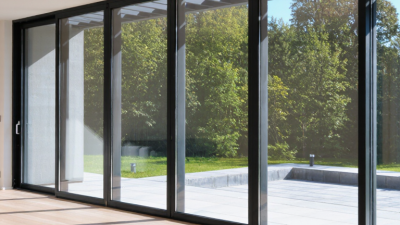
Choosing Minimalist Glass Sliding Doors is not merely a matter of selecting clear panels and slim frames. The right system must balance daylight, thermal performance, safety, privacy, ventilation, and daily movement. A door may look weightless yet perform poorly beside a cold floor or exposed west-facing wall. That contradiction deserves attention. The U.S. Department of Energy reports that windows can account for 25–30% of residential heating and cooling energy use. This finding makes glass specification more important than appearance alone. Low-emissivity coatings, insulated glazing, thermally broken frames, and correctly sized overhangs can reduce unwanted heat transfer. The U.S. Energy Information Administration also identifies space heating and cooling as major household energy uses. Small design decisions become expensive over time. Architect Ludwig Mies van der Rohe’s famous principle, “Less is more,” remains useful here. It does not mean choosing the thinnest frame at any cost. It means removing visual clutter while preserving comfort and durability. Professional installer experience matters, too. A perfectly aligned track should move quietly, without scraping, resistance, or visible gaps. Almost silent. This guide explains how to compare Minimalist Glass Sliding Doors by frame material, glass performance, hardware quality, opening size, and installation conditions. It also questions a common assumption: maximum transparency is not always the best answer. Children, furniture placement, glare, fingerprints, and nighttime privacy can change the experience completely. The most successful minimalist door is not simply beautiful. It works reliably, feels natural, and still makes sense years later.
Read more »
Ethan By:Ethan - September 21, 2026
Top Slimline Aluminium Windows Suppliers Worldwide?

Top Slimline Aluminium Windows Suppliers Worldwide?

Choosing the Top Slimline Aluminium Windows Suppliers Worldwide requires more than comparing frame widths or polished product photographs. The global aluminium windows market is expanding steadily. Allied Market Research valued it at approximately USD 57.2 billion in 2021. Its forecast reaches nearly USD 88.9 billion by 2031. Energy performance is also becoming harder to ignore. The 2023 Global Status Report for Buildings and Construction states that buildings consume about 34% of global energy. They also produce roughly 37% of energy-related emissions. These figures explain the growing interest in Slimline Aluminium Windows. Their narrow sightlines can increase daylight and create cleaner architectural elevations. However, visual minimalism does not guarantee quality. Thermal breaks, glass specifications, drainage, air tightness, and installation standards still determine real-world performance. A beautiful frame can perform badly. That is an uncomfortable but necessary point. Architect Ludwig Mies van der Rohe famously said, “Less is more.” His principle suits slimline design, but only partly. Less visible aluminium should not mean less protection, durability, or engineering. Leading suppliers therefore need proven testing, dependable warranties, documented thermal values, and consistent manufacturing control. This guide examines international suppliers through those practical measures. It considers product design, energy performance, customisation, delivery capability, and installation support. Rankings remain imperfect. Regional building codes, climate conditions, and project budgets can change the result. A coastal home in Australia needs different priorities from a heritage renovation in Britain. The strongest supplier is not always the most famous one. It is the company that proves its claims on the building site.
Read more »
Ethan By:Ethan - September 21, 2026