+91 93776 04923 [email protected] Surat, Gujarat, India · Exporting worldwide
0%

Choosing Motorised Aluminium Windows is not simply a matter of selecting a frame colour and adding a remote control. The decision affects daylight, ventilation, energy performance, accessibility, and long-term maintenance. A narrow coastal opening may need corrosion-resistant finishes, while a large living-room panel may require stronger profiles and a carefully matched motor. Small details matter.

Building-science expert Joseph Lstiburek has repeatedly emphasized, “The building enclosure is a system.” That principle applies here. The window, wall, flashing, glazing, seals, controls, and drainage must work together. A powerful motor cannot correct poor installation. Nor can premium aluminium compensate for unsuitable glass or weak thermal breaks.

Start with the project’s real conditions. Check opening dimensions, wind exposure, weather, noise, solar gain, and expected operating frequency. Ask whether the system supports manual override during a power failure. Examine the motor’s torque rating, noise level, smart-home compatibility, and access for servicing. Safety sensors deserve attention, especially in homes with children or vulnerable occupants. Fire and egress requirements must also be reviewed by qualified professionals.

There is no universal best option. That is easy to forget. A showroom demonstration may look impressive, yet it cannot reveal years of coastal moisture, dust, or repeated cycling. Request tested performance data, installation details, warranty terms, and maintenance guidance from reputable suppliers. Compare complete system costs, not only the window price. The right Motorised Aluminium Windows should operate quietly, seal reliably, and remain practical after the novelty fades. Be willing to question attractive specifications. Real project performance depends on disciplined design, accurate fitting, and honest assessment.
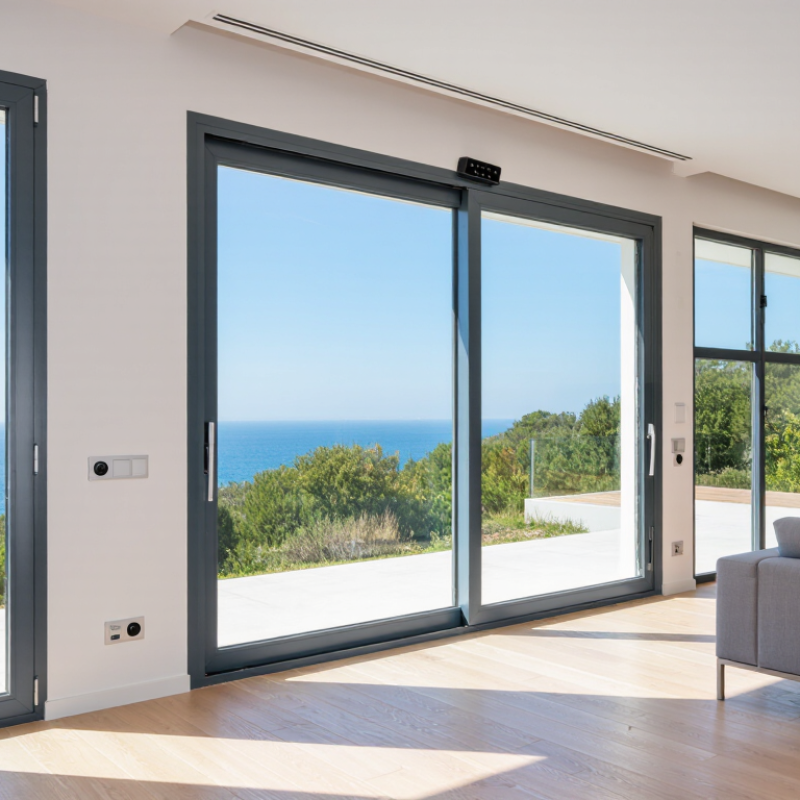
How to Choose Motorised Aluminium Windows for Your Project?

Define Project Requirements for Motorised Aluminium Windows

Before choosing motorised aluminium windows, define how each opening will work. Record its width, height, frame weight, and opening direction. A large roof-level window may need stronger hardware than a small kitchen unit.

Consider the building’s exposure. Coastal air, driving rain, dust, and strong wind can affect materials and motor performance. Note the room’s daylight, ventilation, privacy, and noise requirements. A bedroom may need quiet operation, while a high atrium may require remote control. Include the expected operating frequency. Daily use demands different components from occasional use.

Power planning is often overlooked. Decide whether the windows need wired power, battery support, or connection to a building control system. Confirm the location of switches, sensors, cables, and access panels before installation. Safety also needs definition. Obstacle detection, manual override, and restricted opening may be essential around children or public areas.

I have seen projects specify attractive frames but ignore maintenance access. That mistake becomes expensive later. Leave enough clearance for inspection and motor replacement. Check local building requirements, emergency ventilation rules, and installer qualifications. These details vary by location. Measure twice.

Budgeting should include delivery, electrical work, controls, commissioning, and future servicing. Aluminium offers strength and low routine maintenance, but poor drainage or incorrect alignment can still cause problems. Ask for performance data, warranty terms, and realistic lead times. Do not assume every automated window suits every opening. A careful requirement list makes the final selection more dependable.

Compare Window Types, Opening Styles, and Motorisation Options

Choosing motorised aluminium windows starts with the room, not the motor. In a living room, wide sliding panels create a clear view and need little projection outside. They suit balconies and narrow walkways. Casement windows open outward, offering stronger ventilation across the frame. Awning windows hinge at the top, so light rain can stay outside during ventilation. I have found that drawings often hide this practical difference. A beautiful opening can still be awkward near furniture.

Opening style also affects hardware selection. Sliding units usually use compact electric drives integrated near the track. Casement and awning units commonly use chain or linear actuators. Measure sash weight, opening width, and required travel before choosing capacity. A motor that struggles will sound strained and wear early. For high windows, wall switches, remote controls, and scheduled operation improve daily access. Add rain, wind, and temperature sensors where exposure changes quickly. Keep a manual override available. Power failures are easy to overlook.

Aluminium frames are durable, but thermal performance depends on the complete window system. Check the frame break, glazing specification, seals, drainage, and installation details together. Ask the installer to demonstrate noise levels and closing pressure on a full-size sample. This small test can reveal vibration that brochures never mention. Automation should also match the household: children, older users, and cleaning access all matter. I would not choose the most sophisticated control package automatically. More features mean more points to configure, maintain, and misunderstand. Leave service access, and confirm local safety requirements before installation.

Evaluate Aluminium Frames, Glazing, and Thermal Performance

How to Choose Motorised Aluminium Windows for Your Project?

Choosing motorised aluminium windows starts with the frame, not the motor. Specify thermally broken aluminium with continuous insulating sections. These reduce heat flow and limit cold interior surfaces. Check the frame U-value separately from the whole-window Uw value. The difference matters. On site, inspect corner joints, gaskets, and drainage paths before installation. Poor sealing can weaken excellent laboratory results.

Glazing should match orientation, climate, and room use. Double glazing may suit moderate conditions, while triple glazing can improve comfort in colder zones. Ask for low-emissivity coatings, warm-edge spacers, and the glass solar factor. South- or west-facing windows may need lower solar gain to control afternoon overheating. However, darker glass can reduce daylight. That trade-off is easy to underestimate. Compare Uw, g-value, and visible light transmittance together.

Motorisation adds wiring, sensors, and moving hardware. Choose actuators sized for sash weight, wind exposure, and opening frequency. A quiet motor helps near bedrooms, but manual override remains important during power failure. Request tested air, water, wind, and thermal data for the complete window assembly. Installation quality still decides much of the outcome. I would recheck dimensions after plastering, because small errors can create uneven seals and extra motor load. The specification may look perfect on paper. The building may disagree.

Check Power, Control Systems, Safety, and Smart-Home Compatibility

How to Choose Motorised Aluminium Windows for Your Project?

Motorised aluminium windows need more than a quiet actuator. Start with sash weight, opening size, wind exposure, and daily cycles. Undersized motors may stall or overheat. The U.S. Department of Energy reports that windows can account for 25–30% of household heating and cooling energy use. Correct sealing and controlled ventilation therefore matter. For large façades, specify position feedback and a manual override. It is easy to overlook power failure scenarios.

Control systems should match the building’s actual operation. Wired controls suit new construction and reduce battery maintenance. Wireless controls offer flexibility, but signal loss can interrupt ventilation. Confirm voltage, duty cycle, noise levels, and communication protocols before ordering. Smart-home compatibility requires more than an app. Check whether the actuator supports scheduled control, voice commands, sensors, and open integration methods. The Connectivity Standards Alliance’s Matter specifications improve interoperability, but not every window motor supports them. Test the complete system, not only the controller.

Tips: Ask for a load calculation and cycle test. Include rain, wind, smoke, and temperature sensors where appropriate. Safety edges, obstacle detection, and emergency release should follow relevant electrical and machinery requirements, including IEC 60335-2-103. Keep a physical wall switch. It remains useful when networks fail. U.S. DOE guidance is valuable, but local climate and building codes can change the best specification. One design rarely fits every opening.

How to Choose Motorised Aluminium Windows for Your Project?

Compare the typical electrical input power required for different window applications. These planning values are calculated from a 24 V DC supply and representative actuator currents; always confirm the final motor, cable, controller, and overload requirements with the manufacturer.

Selection checklist: Size the 24 V DC power supply for the actuator’s maximum current and simultaneous operation. Confirm whether the control system supports dry contacts, 0–10 V, KNX, BACnet, or a suitable smart-home gateway. For safety, specify obstruction detection, overload protection, limit switches, emergency override, and safe manual operation. Verify that the window actuator, controller, sensors, and smart-home platform use compatible communication interfaces before installation.

Review Installation Needs, Maintenance, Costs, and Supplier Support

How to Choose Motorised Aluminium Windows for Your Project?

Installation needs should guide the specification, not the showroom appearance. Check wall structure, drainage paths, wiring routes, and access for future servicing. A large powered sash may need stronger brackets and slower opening speeds. On site, one hidden cable route can delay several trades. That detail is easy to underestimate. The U.S. Department of Energy reports that windows can represent 25–30% of residential heating and cooling energy use. Therefore, glazing, seals, shading, and motor controls deserve equal attention. Poor installation can weaken the expected energy performance.

Maintenance planning should include motor access, manual override, cleaning points, and replacement parts. Ask how technicians diagnose faults when the window is above a stairwell. Request a written maintenance schedule, not only a warranty period. The 2023 Global Status Report for Buildings and Construction states that buildings consumed about 30% of global final energy in 2022. Efficient operation matters beyond the initial purchase. However, automation is not automatically efficient. A badly programmed sensor can open windows during hot afternoons.

Compare total project cost, including controls, electrical work, commissioning, scaffolding, and future repairs. Obtain itemised quotations. Supplier support should cover drawings, installation guidance, training, response times, and available spare parts. Test one complete unit before approving the full batch. This may feel slower, but it exposes noise, vibration, and control problems early. My own assessment would remain cautious: a cheaper system can become expensive when specialist access is required. Reliability is demonstrated through documented testing, clear responsibilities, and practical after-sales support.

FAQS

What aluminium frame should a motorised window use?

Choose thermally broken aluminium with continuous insulating sections. This reduces heat flow and cold interior surfaces. Check frame U-value separately from whole-window Uw.

How should glazing be selected?

Match glazing with orientation, climate, and room use. Double glazing may suit moderate conditions. Triple glazing can improve comfort in colder areas.

What glass details deserve attention?

Ask for low-emissivity coatings, warm-edge spacers, solar factor, and visible light transmittance. Darker glass can reduce afternoon heat. It can also make rooms feel dim.

How should motor size be specified?

Select actuators for sash weight, wind exposure, and opening frequency. A large sash may need stronger brackets and slower movement. Quiet motors help near bedrooms.

Is manual operation still necessary?

Yes. Keep a manual override for power failures or control faults. Small detail, but important. A fully dependent system may become inconvenient unexpectedly.

What should be checked before installation?

Inspect corner joints, gaskets, drainage paths, wall structure, and wiring routes. Recheck dimensions after plastering. Small errors can create uneven seals and extra motor load.

What maintenance arrangements are important?

Ensure access to motors, cleaning points, manual overrides, and replacement parts. Ask for a written maintenance schedule. Consider how technicians reach a window above a stairwell.

How should the complete project cost be compared?

Include controls, electrical work, commissioning, scaffolding, servicing, and future repairs. Request itemised quotations. A cheaper system may become expensive when specialist access is difficult.

Should one complete unit be tested before ordering all windows?

Yes. Test noise, vibration, sealing, movement, and controls on site. This feels slower. It can reveal problems before they spread across the project.

Conclusion

Choosing the right Motorised Aluminium Windows starts with clearly defining your project’s needs, including window size, location, ventilation goals, privacy requirements, and preferred opening style. Compare options such as sliding, casement, awning, or roof windows, and consider whether chain, linear, or concealed motor systems offer the most suitable performance. The aluminium frame should provide strength, corrosion resistance, and a suitable finish, while the glazing should support insulation, daylight control, noise reduction, and overall energy efficiency.

You should also review the available power supply, wall switches, remote controls, sensors, and smart-home compatibility before making a decision. Safety features such as obstacle detection, secure locking, and manual override are important for everyday use. Finally, assess installation conditions, access requirements, maintenance needs, total costs, warranty coverage, and the supplier’s technical support. A well-planned selection will help ensure reliable operation, comfortable indoor conditions, and long-term value for your project.


Ethan

Ethan

Ethan is a dedicated marketing professional with a strong understanding of the company’s products, services, and customers. With a combination of strategic insight, industry knowledge, and clear communication skills, he helps present complex product information in a practical and engaging way. As a......