Local Market Intelligence
Tempered Glass Solutions Tailored for the Seattle & Puget Sound Architecture
The Seattle metropolitan area—spanning downtown high-rises, South Lake Union tech campuses, Bellevue mixed-use developments, and coastal residential estates along Puget Sound—presents a demanding set of environmental, structural, and regulatory requirements. Architectural glass installed in the Pacific Northwest (PNW) must reconcile intense moisture exposure, wind-driven rain, seismic design constraints (Category D/E), and stringent energy conservation mandates enforced by the Seattle Commercial Energy Code (C402) and Washington State Energy Code (WSEC).
As premier tempered glass manufacturers and direct-to-market exporters serving Washington State, our engineering team manufactures architectural glazing products specifically tuned to regional microclimates and municipal compliance standards.
1. Seattle Energy Code & Thermal Envelope Optimization
Seattle has established some of the most progressive building energy codes in North America. To meet local envelope performance mandates, exterior tempered glass assemblies must achieve exceptionally low overall U-factors and balanced Solar Heat Gain Coefficients (SHGC):
- Low-E Double & Triple Glazing Units (IGUs): Utilizing spectrally selective triple-silver Low-E coatings applied to high-clarity tempered glass, our insulated units achieve overall U-factors down to 0.22 BTU/h·ft²·°F, drastically reducing winter heat loss during wet, overcast maritime winters.
- Condensation Resistance Factor (CRF): Humidity levels across the Puget Sound region demand superior seal integrity. By incorporating continuous warm-edge stainless steel/TPS spacer bars and pure argon gas infill, our tempered IGUs prevent perimeter cold bridging, eliminating interior condensation during prolonged sub-40°F damp cycles.
- Solar Control without Daylight Loss: Modern office developments in Bellevue and South Lake Union prioritize high Visible Light Transmittance (VLT > 65%) to optimize indoor daylighting while maintaining SHGC ratings below 0.28 to manage summer solar gain.
2. Structural Integrity, Wind Load & Seismic Considerations
Building designs along Elliott Bay and elevated hillsides in Queen Anne, Capitol Hill, and Mercer Island experience severe lateral wind shear and localized turbulence. Furthermore, Seattle's location within the Cascadia Subduction Zone requires exterior glazing systems to handle inter-story drift without catastrophic glass breakage.
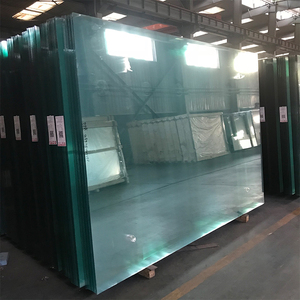
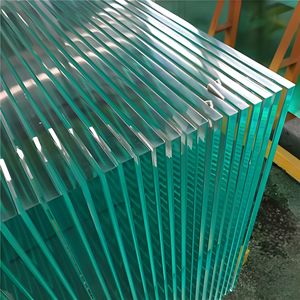
- High Surface Compression Prestressing: Our automated convection tempering process imparts a uniform surface compression exceeding 10,000 psi (69 MPa) across all glass sheets, yielding 4 to 5 times the bending strength of standard annealed float glass, complying fully with ASTM C1048 Kind FT specs.
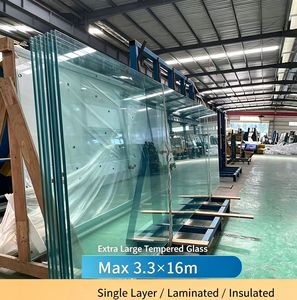
- Laminated Tempered Safety Assemblies: For overhead canopy glazing, structural balustrades, and high-exposure curtain walls, we export toughened-laminated units bonded with high-shear SentryGlas® (SGPP) or PVB interlayers. In the event of extreme impact or seismic deflection, the tempered fragments remain mechanically adhered to the interlayer, protecting pedestrians below.
3. Architectural Aesthetic Trends in Pacific Northwest Construction
Contemporary Pacific Northwest design favors clean, ultra-transparent sightlines, expansive biophilic floor-to-ceiling glass walls, and seamless indoor-outdoor transitions. Key applications currently driving Seattle architectural procurement include:
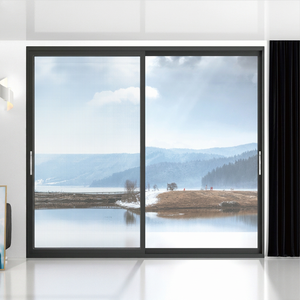
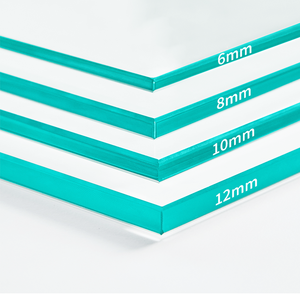
- Slim-Profile Glazed Sliding & Folding Doors: Integrating lightweight yet robust 6mm to 10mm clear and low-iron tempered glass into high-performance aluminum frames for residential waterfront patios.
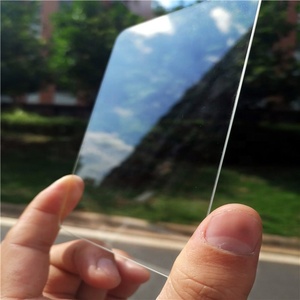
- Low-Iron Architectural Facades: Standard clear glass contains trace iron oxides that induce a subtle green hue. Our ultra-clear low-iron toughened glass eliminates color tinting, ensuring true visual neutrality across heavy 12mm (1/2") and 19mm (3/4") structural glass walls.
- Acoustic Attenuation IGUs: Commercial mid-rises adjacent to the Interstate 5 corridor or Sea-Tac flight paths require elevated Sound Transmission Class (STC) ratings. Combining asymmetrical tempered glass thicknesses (e.g., 8mm outer / 6mm inner) with acoustic interlayers reduces urban noise by up to 42 decibels.