Precision-engineered window, door, and switchable privacy glass assemblies manufactured to withstand extreme Middle Eastern solar loads, sandstorm abrasions, and strict UAE structural codes.
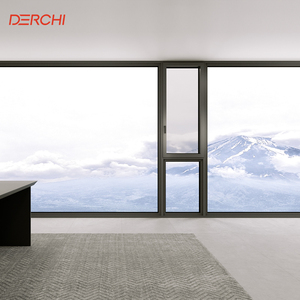
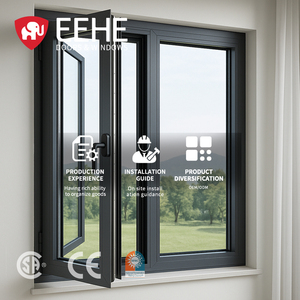
Double-glazed thermal break casement windows engineered for extreme acoustic attenuation (STC 42+) and low emissivity under high UV solar rays.
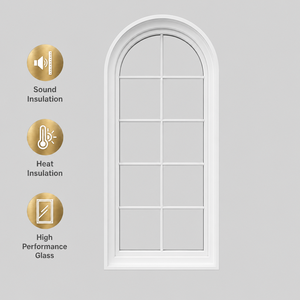
Luxury architectural arched swing windows with certified thermal insulation, ideal for high-end residential villas across Dubai and Abu Dhabi.
Precision-curved 6063-T6 aluminum profile units featuring dual-chamber EPDM gaskets for severe dust sealing and solar heat rejection.
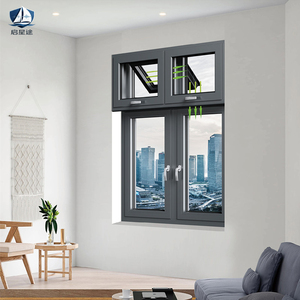
Integrated micro-ventilation design preventing thermal bridge formation while maintaining maximum sound insulation for urban high-rises.
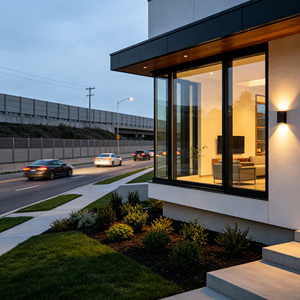
Heavy-duty thermal break folding system with integrated insect mesh, verified low SHGC, and 5-year comprehensive structural warranty.
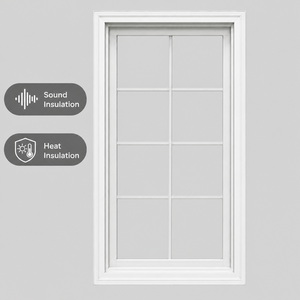
Decorative internal Georgian grid bars combined with multi-chamber thermal breaks for classic aesthetic residential developments.
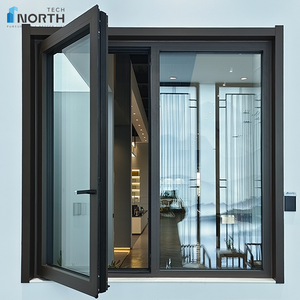
Ultra-efficient architectural window system engineered to achieve Passive House performance standards in extreme desert environments.
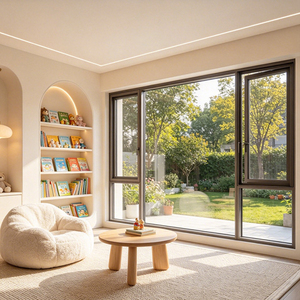
Robust commercial-grade glazed casement systems engineered for luxury coastal resorts requiring wind load resistance up to 3.0 kPa.
Executive Industry Briefing: Procurement of switchable smart glass and architectural fenestration in the United Arab Emirates requires specialized compliance with local regulatory frameworks (such as Abu Dhabi's Estidama Pearl Rating System and Dubai's Al Sa'fat Green Building Evaluation), alongside engineered resistance to ambient temperature swings exceeding 50°C and relentless ultraviolet index (UVI) degradation.
An in-depth technical analysis for MEP consultants, facade engineers, procurement directors, and master developers across Abu Dhabi, Dubai, Sharjah, and the Northern Emirates.
The architectural landscape of the United Arab Emirates represents one of the most demanding operational environments on earth for active glazing systems. Driven by ultra-modern luxury standards, state-of-the-art office towers in Dubai International Financial Centre (DIFC), high-security government facilities in Abu Dhabi, and expansive coastal residential estates in Palm Jumeirah, demand for Polymer Dispersed Liquid Crystal (PDLC) switchable privacy glass and high-performance thermal break fenestration has reached unprecedented levels.
However, sourcing directly from switchable glass factories or specifying domestic factory assembly within the UAE market introduces complex technical evaluations. Standard interior-grade smart glass films frequently fail when subjected to the Gulf region's extreme thermal cycles, intense UV bombardment, and high relative humidity coupled with airborne salinity. To maintain optical clarity, operational longevity, and energy efficiency, architects and master developers require factory-direct engineering that seamlessly integrates thermal break aluminum profiles (using architectural alloys like 6063-T5 and 6063-T6) with laminated or double-glazed smart glass configurations.
Utilizing high-grade EVA/PVB interlayer bonding inside cleanroom factory environments, preventing edge delamination and moisture ingress under high humidity.
Polyamide structural insulation strips embedded within 6063-T6 aluminum extrusion profiles eliminate thermal bridging in desert climates exceeding 50°C.
Understanding light transmission, solar heat gain coefficient (SHGC), and electromagnetic matrix control under UAE climate conditions.
Polymer Dispersed Liquid Crystal (PDLC) technology operates by suspending micro-droplets of liquid crystal within a liquid polymer matrix sandwiched between two sheets of transparent conductive ITO (Indium Tin Oxide) film. When an electric voltage (typically 48V to 60V AC) is applied, the liquid crystal molecules instantaneously align, allowing visible light to pass through and turning the panel transparent (<10 milliseconds). When power is cut, the crystals scatter light in all directions, turning the glass instantly frosted and opaque.
In the UAE, the primary failure point for low-tier smart glass supplied by unverified suppliers is thermal degradation of the polymer matrix. When exposed to direct sunlight in Dubai or Al Ain, surface glass temperatures can reach up to 75°C. Lower-tier factory films undergo yellowing, micro-bubbling, and permanent alignment lock. Superior factory manufacturing incorporates specialized solar control Low-E coatings, argon-gas insulated glass units (IGU), and UV-absorbing interlayers that block 99.4% of destructive UV rays and up to 85% of infrared (IR) energy.
| Technical Parameter | Standard Commercial Smart Glass | UAE Heavy-Duty Factory Grade (Tejjsons Spec) | Impact on Project Performance |
|---|---|---|---|
| Operating Temperature Range | -10°C to +50°C | -20°C to +85°C (High Solar Thermal Tolerance) | Prevents polymer yellowing and film degradation in UAE heat. |
| UV Blocking Efficiency | 90.0% - 95.0% | > 99.4% Total Spectral Cutoff | Protects interior luxury furnishings and art from fading. |
| Solar Heat Gain Coefficient (SHGC) | 0.45 - 0.60 | 0.22 - 0.28 (With Low-E Double Glazing) | Drastically cuts HVAC cooling load; aligns with Estidama Pearl code. |
| Light Switching Response Time | 50ms - 100ms | < 10ms (Instantaneous Response) | Ensures immediate privacy for executive meeting rooms and cleanrooms. |
| Aluminum Frame Extrusion Alloy | 6063-T5 Standard Recycled Profile | 6063-T6 Primary Architectural Extrusion | Elevated tensile strength for high-rise wind loads (>2.5 kPa). |
| Acoustic Attenuation (STC Rating) | STC 28 - 32 | STC 42 - 48 (Triple Glazed / Laminated) | Eliminates ambient street noise and aircraft noise near major airports. |
From executive financial hubs to beachfront residential compounds, explore how switchable smart glass and thermal window systems transform modern built environments.
In high-density commercial towers like DIFC and Business Bay, switchable glass partitions replace mechanical blinds. They deliver instant confidential privacy for executive meetings at the push of a button while keeping an open, illuminated atmosphere when unpowered.
Private villas in Saadiyat Island require complete privacy without compromising views of the Arabian Gulf. Custom thermal-break casement windows combined with smart switchable double glazing block intense sea-glare and intense heat while allowing clear evening vistas.
Academic facilities and cleanroom laboratories in Sharjah demand hygienic, easy-to-clean partitions. Switchable smart glass eliminates dust-collecting fabric drapes while granting observers visual access to labs without risking cleanroom contamination.
Luxury eco-resorts require seamless indoor-outdoor transitions. Motorized magnetic levitation glass doors equipped with smart privacy glass turn transparent open ocean views into completely private sanctuary quarters instantly for guests.
In modern hospital suites and surgical observation rooms, smart glass panels provide instant visual privacy for patient care while maintaining strict anti-microbial standards required by the Dubai Health Authority (DHA).
High-security government installations mandate ballistic-rated or heavy-laminated smart glass. Factory-engineered assemblies integrate privacy controls with multi-layer laminated security glass certified against forced entry.
How sustainable building mandates are accelerating the adoption of smart architectural fenestration.
The United Arab Emirates is aggressively pursuing its Net Zero 2050 Strategic Initiative, placing building envelope thermal performance at the forefront of architectural specifications. Windows and glazed facades account for up to 60% of heat transfer into structures located in GCC desert climates. Consequently, building codes in the region have implemented stringent energy targets:
Factory-direct manufacturers offering custom structural calculations, complete NFRC test reports, and verified raw material origin (such as primary-grade 6063-T6 aluminum alloys and European multipoint hardware) possess a significant competitive advantage when bidding on tier-1 contractor tenders in the UAE.
25+ years of continuous engineering leadership in custom aluminum fenestration, magnetic levitation sliding technology, and specialized glass lamination.
Extending beyond basic glass assembly, our manufacturing ecosystem controls every phase of production—from raw aluminum profile extrusion, thermal break insertion, CNC precision machining, to cleanroom PDLC smart glass lamination and automated final inspection.
Key manufacturing metrics that distinguish our factory output for UAE and international projects include:
Essential guidance on importing, installing, and certifying switchable smart glass and thermal window systems in the UAE.
Yes. We regularly supply project-based orders across all seven Emirates in the UAE. Profile consignments are packed in heavy-duty reinforced wooden crates with protective corner guards, glass is secured in specialized ocean-ready A-frame crates, and all shipments include full shipping manifests, engineering shop drawings, and hardware installation schedules for fast customs clearance at Jebel Ali Port or Khalifa Port.
Our smart glass units engineered for the Middle East feature dual-laminated or double-glazed IGU configurations integrated with low-emissivity (Low-E) coatings and UV-reflective interlayers. This design prevents thermal damage to the liquid crystal film, maintains optical transparency when energized, and keeps internal glass surface temperatures significantly cooler under ambient heat up to 55°C.
Yes. Our engineering team provides detailed material datasheets, glass impact resistance certifications (toughened/laminated safety glass according to EN 12600 and ASTM C1048 standards), and structural wind load calculations tailored to meet specific municipal requirements (such as Dubai Municipality and Abu Dhabi Quality and Conformity Council).
Switchable PDLC glass operates on low-voltage AC power (typically 48V to 60V AC) supplied via dedicated step-down power transformers connected to standard 220V/50Hz UAE mains electricity. Power consumption is minimal, averaging less than 5 Watts per square meter in transparent mode, and zero Watts when switched off in opaque mode.
Standard architectural aluminum casement and sliding window systems are fabricated within 4 to 6 weeks following shop drawing approval. Complex magnetic levitation doors, motorized systems, and specialized laminated switchable smart glass units take 6 to 8 weeks. Ocean freight transit from factory to UAE ports typically takes an additional 14 to 21 days.
Absolutely. Every custom project is supplied with comprehensive CAD installation details, electrical wiring schematics for smart glass transformers, and step-by-step assembly guides. For major commercial or high-rise projects, our technical support engineers provide remote video supervision or on-site installation guidance.
Connect with our technical engineering team to submit project drawings, request custom thermal calculations, or receive a complete quotation for your upcoming development in the UAE.