Directly manufactured to international security standards (EN 1627 RC2/RC3 & PAS 24), our structural aluminum systems are tailored for luxury villas, commercial towers, and urban residences across Pakistan.
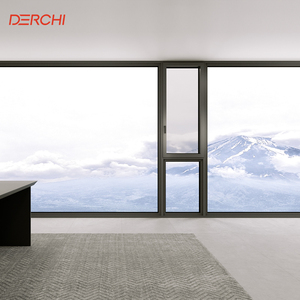
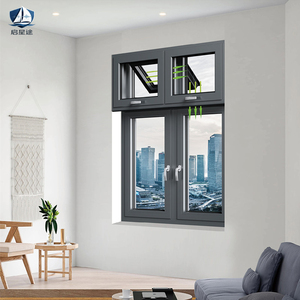
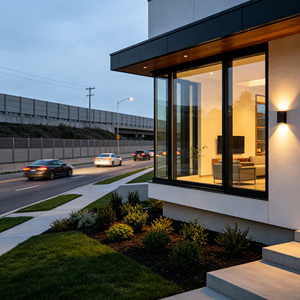
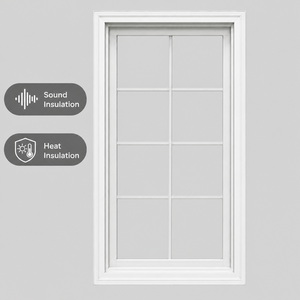
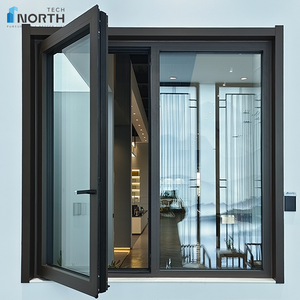
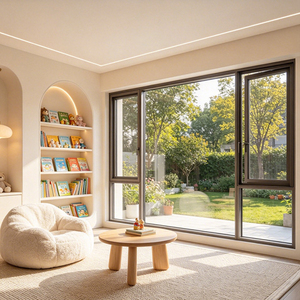
In Pakistan's rapidly expanding architectural landscape, the demand for high-security entrance doors, forced-entry resistant glazing, and heavy-duty aluminium profile systems has transitioned from a luxury amenity to a critical structural requirement. Rising urban density in metropolitan hubs such as Karachi, Lahore, Islamabad, Rawalpindi, and Faisalabad has amplified the need for building envelopes that provide uncompromised physical defense while mitigating severe climatic conditions.
Pakistani real estate developments—ranging from sprawling residential estates in DHA (Defence Housing Authority) and Bahria Town to commercial towers along Gulberg Lahore and I.I. Chundrigar Road Karachi—face a dual challenge: security vulnerabilities and extreme ambient temperature fluctuations. Traditional steel security doors often suffer from thermal bridging, unsightly rusting under humid conditions, and poor acoustic damping. Conversely, standard wooden doors lack the structural shear strength required to resist forced entry techniques.
As a master manufacturer and global exporter with over 25 years of engineering authority, our manufacturing enterprise bridging China and global trade routes delivers specialized fenestration solutions directly tailored to Pakistan’s unique construction compliance standards, wind-load demands, and architectural aesthetics.
From coastal salinity in the south to freezing high-altitude winters in the north, our custom security doors and thermal glazing systems are engineered for regional microclimates.
Karachi’s coastal atmosphere subjects door hardware and metal frames to severe salt-spray corrosion and high relative humidity. Concurrently, security concerns in commercial districts require anti-burglary resilience.
Punjab experiences extreme summer heat exceeding 45°C, intensive dust storms (Andhi), and heavy smog during winter. Security doors must provide airtight insulation to keep air conditioning operational during power outages.
Federal capital enclaves, diplomatic zones, and mountainous zones require structural resistance against high wind speeds, seismic forces, and stringent intrusion protection standards.
Pakistani villa owners are rapidly replacing traditional physical key locksets with fully integrated biometric access points. High-end security doors are now expected to house hidden wiring channels, motorized multipoint lockbolts, 3D facial recognition scanners, and remote smartphone unlock capabilities synchronized with home automation hubs.
With escalating electricity tariffs across Pakistan (NEPRA rate adjustments), building specifiers are prioritizing fenestration with low Solar Heat Gain Coefficients (SHGC). Thermally broken aluminium security doors equipped with Low-E glass significantly lower indoor ambient temperatures, decreasing reliance on HVAC systems during peak summer load-shedding.
The modern architectural movement in Lahore and Islamabad heavily favors minimalistic design—ultra-slim sightlines combined with massive glass spans. Buyers no longer accept bulky steel bars. The trend has shifted toward heavy-gauge aluminium frames featuring concealed high-load hinges and internal security steel meshes (SS304/SS316 security screen screens).
For ultra-luxury penthouses and commercial entrances, magnetic levitation (Maglev) sliding doors represent the apex of luxury. Eliminating traditional bottom rollers, maglev doors float silently on magnetic tracks, offering frictionless operation for panels weighing up to 400kg while maintaining air-tight security locking.
Compare structural, thermal, and security parameters across common door materials used in Pakistani residential and commercial developments.
| Performance Parameter | High-Spec Thermal Aluminium (Tejjsons Standard) | Traditional Mild Steel Security Doors | Solid Teak / Hardwood Doors | Standard uPVC Profile Doors |
|---|---|---|---|---|
| Forced Entry Security Rating | EN 1627 RC3 / PAS 24 Compliant | High (Subject to weld joint quality) | Moderate (Vulnerable to mechanical splitting) | Low to Moderate (Flexes under forced lever load) |
| Corrosion & Weathering Resistance | Superior (Qualicoat Powder / 25μm Anodized) | Poor (High rust risk in coastal/humid areas) | Requires annual re-varnishing & sealing | Moderate (Can discolor/yellow under high UV) |
| Thermal Insulation (U-Value) | 1.2 – 1.8 W/m²K (Thermally Broken PA66) | 3.5 – 5.8 W/m²K (High thermal bridging) | 2.0 – 2.5 W/m²K (Natural insulator) | 1.4 – 2.0 W/m²K (Multi-chamber PVC) |
| Structural Shear & Frame Strength | 6063-T6 Alloy (Yield Strength > 170 MPa) | High Tensile Steel | Low Shear Modulus | Low Strength (Requires internal steel reinforcement) |
| Acoustic Damping (STC Rating) | STC 38 - 45 dB (Acoustic Double/Triple Glass) | STC 25 - 30 dB (Hollow core echoes sound) | STC 30 - 34 dB | STC 32 - 36 dB |
| Maintenance Lifecycle | 30+ Years (Zero structural degradation) | 5-10 Years before rust repairs needed | Requires continuous maintenance | 10-15 Years before seal/color degradation |
With over two decades of dedicated fenestration innovation, our manufacturing facility operates as a centralized hub combining extrusion handling, precision CNC machining, automated glass processing, and rigorous pre-shipment quality auditing. When importing custom architectural security doors into Pakistan, overseas clients gain absolute transparency and technical rigor.
Every security door leaf, frame, lock gearbox, and glass panel undergoes complete factory pre-assembly. Alignment tolerances, hinge friction, weather-strip compression, and diagonal squareness are logged prior to crate packing.
We integrate top-tier European hardware brands (Siegenia, Hoppe, GU, Sobinco) along with our custom patented magnetic levitation drive systems, offering unmatched tactile feel and operational longevity.
Shipped via ocean freight to Karachi Port (Keamari/Port Qasim), all products are encased in fully sealed, fumigated plywood A-frame crates with shock-absorbing corner guards to eliminate transit damage.
Clear, authoritative answers regarding import logistics, customization, wind-load compliance, and technical support for Pakistani projects.
We ship directly via containerized ocean freight to Karachi Port (Port Muhammad Bin Qasim or Karachi Port Trust / Keamari). All shipments are packed in heavy-duty export-grade plywood crates with moisture barriers and corner protection. We provide complete documentation including Commercial Invoice, Packing List, Bill of Lading (B/L), and Certificate of Origin (COO) to facilitate smooth customs clearance through your local clearing agent in Pakistan.
Yes. We operate on a 100% custom engineering workflow. Our in-house technical team reviews your architect’s floor plans, elevation drawings, opening schedules, and structural specifications. Before production begins, we generate detailed shop drawings detailing frame depths, sightlines, thermal break positions, drainage outlets, and anchoring points for your final written sign-off.
Our security doors conform to European EN 1627 RC2/RC3 resistance classes and PAS 24 standards. We utilize heavy-gauge 6063-T6 extrusion profiles combined with multi-point locking gearboxes (5-point to 9-point security bolt locks), anti-drill cylinder plates, hardened steel hook bolts, and anti-pry hinge pins. We also offer bullet-resistant laminated glass options (EN 1063 BR4/BR6) upon request.
Standard aluminium conducts heat rapidly. Our thermal break security doors feature high-density Polyamide (PA66) glass-fiber reinforced insulation strips separating the exterior and interior aluminum profiles. This creates a structural barrier that blocks heat conduction, preventing interior frame heating, reducing HVAC loads, and drastically lowering energy consumption during Pakistan's peak 45°C+ summer months.
Standard thermal break casement doors and window systems require 4 to 5 weeks for production following shop drawing sign-off. Complex motorized systems, bullet-resistant specs, or custom magnetic levitation doors take approximately 6 to 8 weeks. Transit time from primary departure ports to Karachi port typically ranges from 14 to 20 days depending on shipping line schedules.
Absolutly. For coastal projects in Karachi (such as DHA Phase 8, Clifton, or Gwadar), we apply specialized surface finishes including marine-grade Qualicoat Class 2 architectural powder coatings (60-80 microns thick) or 25-micron anodized finishes. All exposed hardware, fasteners, and hinges are fabricated from grade 316 stainless steel to eliminate galvanic and atmospheric corrosion.
Every shipment includes step-by-step installation manuals, 3D exploded assembly diagrams, anchoring schedules, and sealant application details. For major commercial developments or luxury estate projects in Islamabad, Lahore, or Karachi, our engineering division provides video-based remote supervision and direct consultation with your local project engineers during installation.
We back our manufactured systems with a comprehensive 10-year structural frame warranty, a 5-year warranty on surface powder coating/anodization against peeling or cracking, a 5-year warranty on insulated double/triple glass unit seals against internal fogging, and a 2-year warranty on mechanical and electronic locksets.
Connect directly with our senior fenestration engineering team. Send your architectural drawings, structural schedules, or project specifications for an immediate, high-gain technical proposal.
Send an Inquiry