Custom-engineered architectural glass systems designed to meet Japanese structural standards, offering acoustic isolation, energy efficiency, and modern aesthetic elegance.
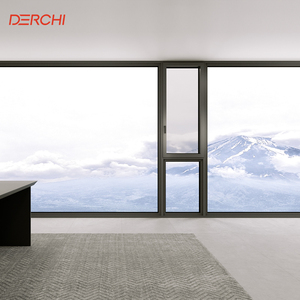
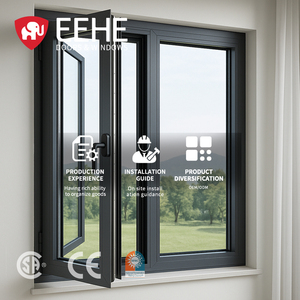
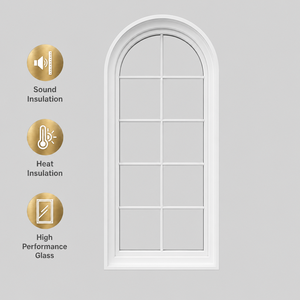
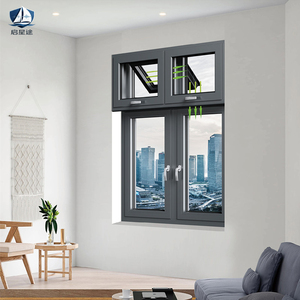
Nagoya, as the industrial heartland of Aichi Prefecture and the greater Chubu region, presents a unique architectural synthesis. From modern high-rise commercial structures in Meieki and Sakae to luxury residential developments in Mizuho and Showa wards, the regional demand for high-performance building envelopes has surged. However, local climate conditions create demanding engineering parameters for external glazing.
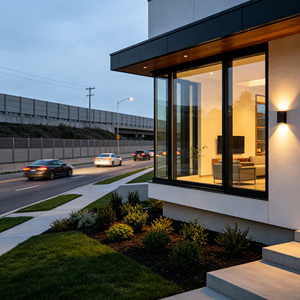
The city experiences severe microclimatic shifts: hot, humid summers driven by Pacific maritime air masses, contrasted with freezing winter winds (*Ibuki-oroshi*) sweeping down from the Ibuki Mountain range. Standard imported window assemblies often suffer from accelerated seal failure, frame condensation, and inadequate acoustic isolation against heavy urban transit corridors like the Tokaido Shinkansen and Meitetsu lines.
Nagoya’s summer relative humidity routinely exceeds 80%. Traditional non-broken aluminum profiles act as thermal bridges, creating indoor surface condensation that leads to interior mold growth. Our OEM Polyamide (PA66) thermal break extrusions create an impenetrable thermal barrier, maintaining internal frame temperatures above dew point regardless of external humidity levels.
During the autumn typhoon season, coastal winds originating from Ise Bay subject Nagoya facades to immense positive and negative wind pressure pressures. Our structural designs feature dual-drainage inner chambers and high-compression EPDM gaskets capable of resisting wind loads exceeding 3000 Pa (equivalent to JIS W-5 rating) and driving rain up to 350 Pa water tightness.
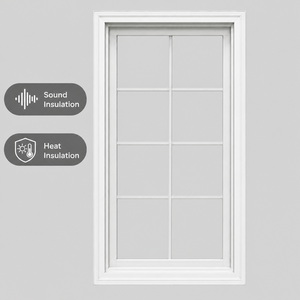
Georgian Bar windows (also referred to as Colonial Grille or Muntin windows) have transitioned from historical European timber structures into a major trend within luxury Japanese residential facades. When specifying OEM/ODM Georgian bar glass in Nagoya, architects must choose between two distinct fabrication methodologies depending on the desired thermal rating, maintenance profile, and aesthetic depth.
The decorative aluminum grid is hermetically sealed *inside* the double or triple-glazed insulated glass unit (IGU). Argon gas surrounds the bar assembly.
Extruded aluminum profiles are bonded to both external and internal glass faces using structural 3M VHB tape, combined with an internal spacer bar grid.
Interlocking heavy-duty aluminum bars divide individual glass panes within a unified structural sash profile, designed for high wind load applications.
As a global OEM/ODM manufacturer with over 25 years of fabrication expertise, we operate as a direct extension of your architectural procurement team. We eliminate intermediaries by controlling every link of the manufacturing chain—guaranteeing strict adherence to CAD/BIM specifications and Japanese building codes.
We utilize exclusively 6063-T5 and 6063-T6 architectural grade aluminum alloys. Our automated CNC extrusion lines maintain tolerances within ±0.2mm, providing the exact structural rigidity necessary for oversized multi-panel sliding doors and full-height curtain walls without frame deflection.
To combat coastal salt fog from Nagoya Port and industrial emissions in Aichi’s manufacturing hubs, our profiles undergo electro-fluorocarbon PVDF spraying or 25-micron anodization. Available in matte black, bronze, champagne gold, or custom RAL wood-grain textures.
In-house IGU lines manufacture double and triple-glazed units featuring warm-edge swisspacers, 99% argon gas fill, and spectrally selective Low-E coatings (such as Saint-Gobain or PPG solar glass). Acoustic lamination achieves STC ratings up to 45 dB.
Every export consignment destined for Nagoya Port is pre-assembled in factory mock-ups for operational cycling. Glass is packed in heavy-duty fumigated steel A-frames, while aluminum profiles are wrapped in protective PE film and reinforced wooden crates.
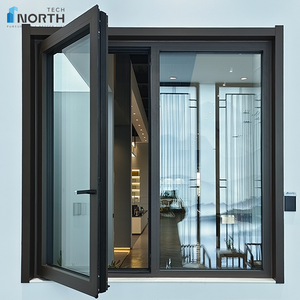
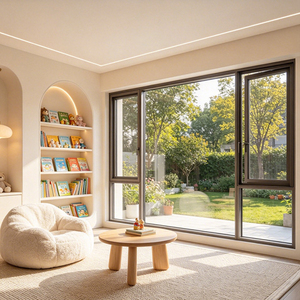
High-end residential projects in eastern Nagoya prioritize energy self-efficiency (ZEH standard compliance) paired with classical architectural elegance. Custom Georgian bar casement windows with Low-E triple glazing deliver low U-values without sacrificing street-side curb appeal.
Hospitality operators around Meieki (Nagoya Station district) require high acoustic insulation to block urban rail rumble. Soundproof thermal break windows with internal Georgian grids deliver quiet interior atmospheres while retaining a distinct, modern industrial aesthetic.
Vacation homes and seaside venues near Minamichita face aggressive salt fog corrosion and severe storm gusts. Fluorocarbon-coated aluminum casement and lift-and-slide doors equipped with heavy-duty muntins ensure rust-free longevity and structural peace of mind.
Yes. Our engineering team designs window systems specifically to align with Japanese performance criteria. We manufacture profiles according to JIS A 4702 (window assemblies) and JIS A 4706 benchmarks, verifying wind pressure resistance, air tightness (A-4 grade), and water tightness (W-5 grade). We provide full technical CAD submittals for local architectural approval prior to production.
Shipments to Nagoya Port (Port code: JPNGO) take approximately 7 to 12 days in sea transit from main Chinese container ports. Our standard manufacturing turnaround is 4 weeks for standard profiles and 5 to 6 weeks for custom thermal break Georgian bar configurations. All items arrive packed in reinforced, sea-worthy steel A-frames and wooden crates, fully customs-ready with packing lists, HS codes, and certificates of origin.
Absolutely. As a dedicated OEM/ODM manufacturer, we do not restrict buyers to catalog grid sizes. Whether your project calls for traditional colonial 6-lite patterns, modern asymmetrical grilles, arched top muntins, or custom decorative profiles, our CNC milling centers execute your exact vector files with millimeter precision.
Condensation occurs when warm moisture touches cold thermal bridges. We prevent this by combining Polyamide (PA66) thermal break frame technology with double or triple-glazed insulated glass units filled with 90%+ Argon gas and sealed with stainless steel or composite warm-edge spacers. This combination maintains inner frame surface temperatures well above dew point.
Yes. For projects located along major transport routes like the Tokaido Shinkansen or Nagoya Expressway, we offer specialized acoustic glazing configurations. By utilizing asymmetric glass thicknesses (e.g., 6mm + 12Argon + 8.38mm PVB acoustic laminated glass), our casement assemblies achieve STC ratings up to 42-45 dB, effectively reducing ambient city noise to library-level quietness.
For coastal or industrial environments in Aichi Prefecture, we recommend our PVDF (Fluorocarbon) liquid coating system or 25-micron Qualicoat-certified powder coating. These treatments pass 3,000-hour salt spray testing without blistering, chalking, or fading, backed by a multi-year finish warranty.
We support both full container load (FCL) commercial shipments and LCL project-based consignments. For customized residential villas or commercial boutique builds, we accept project orders starting from 50 square meters. Sample mock-ups for architectural evaluation can be fabricated and dispatched via express air freight prior to mass manufacturing.
All window systems ship with labeled hardware kits, shop assembly diagrams, and step-by-step installation manuals. For pre-glazed units, frames arrive fully assembled for direct structural anchoring into rough openings. For knock-down (KD) large curtain walls, precision corner keys and gasket sub-assemblies allow rapid, error-free jobsite fabrication by local Japanese carpenters or glazing contractors.
Send us your floor plans, elevation drawings, or procurement schedules. Our senior engineering team will return a complete OEM/ODM technical quote within 24 hours.