Precision-fabricated 6063-T5/T6 architectural aluminium systems designed for high wind load performance, acoustic attenuation, and tropical thermal efficiency.
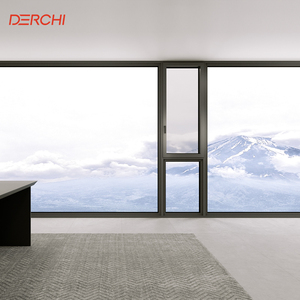
Custom noise-reduction glazing featuring multi-chamber thermal breaks and Low-E double glazing, engineered for urban residential developments.
Inquire Now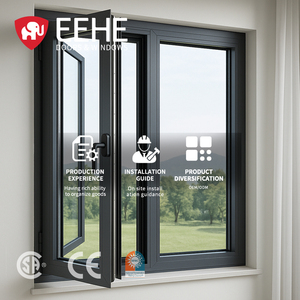
NFRC certified double-glazed soundproof swing windows, tailored for high-end luxury villas in Abuja and Ikoyi with precision arched profiles.
Inquire Now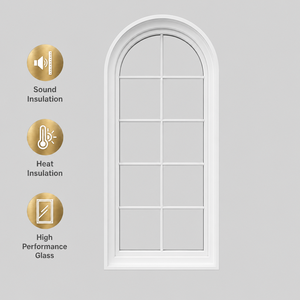
Thermal and acoustic insulation systems tailored for self-built homes, estate developments, and custom luxury architectural projects across Nigeria.
Inquire Now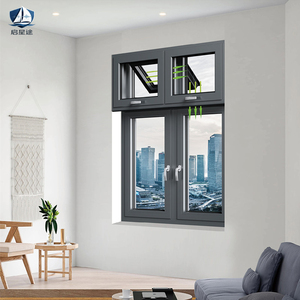
Energy-saving acoustic vent window integrating secondary security screens, providing secure fresh airflow during tropical rainy seasons.
Inquire Now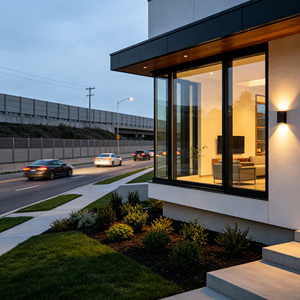
STC rated noise reduction folding screen systems designed with extreme air tightness to mitigate dust penetration during Harmattan periods.
Inquire Now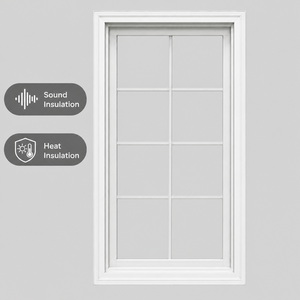
Reinforced structural grille integration combined with high thermal insulation for residential properties requiring heightened security detailing.
Inquire Now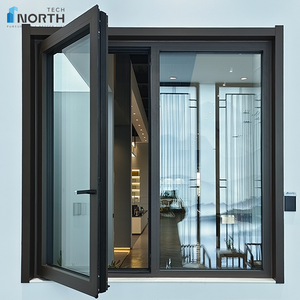
Ultra-low U-value system engineered for eco-friendly architectural landmarks, maximizing air-conditioning power savings in hot climates.
Inquire Now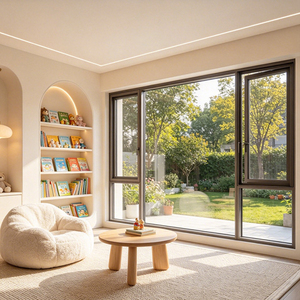
Heavy-duty commercial sliding and balcony access door systems featuring multi-point perimeter locking and anti-lift structural security tracks.
Inquire NowNigeria’s rapidly expanding architectural landscape—spanning high-density urban luxury high-rises in Eko Atlantic and Ikoyi (Lagos), sprawling diplomatic estates in Maitama and Asokoro (Abuja), to commercial hubs in Port Harcourt—demands a fundamental shift in building envelope specifications. Balcony sliding doors represent the primary transition point between interior living spaces and West Africa’s challenging microclimates. Selecting an experienced manufacturer and exporter of heavy-duty aluminium balcony sliding doors is not merely an aesthetic choice; it is a critical engineering decision that dictates structural integrity, HVAC energy performance, acoustic comfort, and long-term asset value.
Information Gain Insight: Standard residential profile systems imported without local climatic customization fail prematurely in West Africa. High humidity, severe salt spray exposure along coastal lines, monsoon wind loads exceeding 1.8 kPa, and fine silica dust during the Harmattan season require specialized profile wall thicknesses, thermal break polyamide strips, and coastal-grade surface finishes.
To deliver high-performance balcony doors tailored to Nigeria, engineering must account for four distinct environmental pressures:
Coastal Marine Corrosion (Lagos & Niger Delta): Properties situated along Victoria Island, Lekki Peninsula, and Port Harcourt face constant exposure to airborne chlorides and high relative humidity (averaging over 80%). Standard untreated aluminium profiles undergo galvanic and pitting corrosion within months. Our manufacturing process utilizes 6063-T5/T6 architectural-grade aluminum extrusions treated with high-micron fluorocarbon (PVDF) powder coating (60–80μm thickness) or specialized anodizing (15–25μm), passing 3,000+ hours of continuous salt-spray chamber testing.
Harmattan Sand and Dust Infiltration: The dry, dust-laden Harmattan winds blowing southwards from the Sahara bring dense particulate matter (PM2.5 and PM10). Standard sliding doors with cheap brush seals fail to prevent dust buildup inside track mechanisms, leading to roller jam and degraded indoor air quality. We integrate double-wrapped EPDM synthetic rubber gaskets coupled with multi-stage weather-stripping and stainless-steel cleanable track drainage systems.
Solar Thermal Radiation & Air Conditioning Load: In regions like Abuja and Northern Nigeria, surface temperatures on dark aluminium profiles exposed to direct solar radiation can exceed 68°C. Non-thermally broken aluminium frames act as thermal bridges, transferring radiant heat directly into air-conditioned interiors and driving up diesel generator power expenses. Our balcony sliding door systems utilize polyamide (PA66GF25) thermal break barriers that isolate outer and inner aluminum profiles, reducing overall solar heat gain coefficients (SHGC) and lower frame U-values significantly.
Tailored structural configurations designed to meet specific regional building codes and architectural topologies in Nigeria.
Engineered with reinforced multi-track structural mullions designed to withstand gusting Atlantic ocean wind loads up to 2.2 kPa. Features anti-lift track interlocks, laminated safety double-glazing, and marine-grade 316 stainless steel roller assemblies.
Focus on expansive clear sightlines with minimal aluminum framing profiles (slimline series). Integrated with automated magnetic levitation motorization, switchable smart privacy glass, and acoustic insulation achieving STC ratings above 42dB.
Heavy-use commercial sliding doors built with durable multi-point lock mechanisms, heavy-duty key entry, integrated bug mesh screens, and flush threshold drain channels providing zero-barrier transition to outdoor dining spaces.
As Nigerian developers pivot toward international sustainable building certifications (such as EDGE and LEED), the technical specifications for fenestration products exported from manufacturing hubs have escalated. Low-quality non-standard profile extrusions are rapidly being phased out in favor of fully tested, system-engineered aluminium sliding doors.
| Performance Parameter | Generic Market Import Profile | Our Custom Export Specification | Practical Impact for Nigerian Buyers |
|---|---|---|---|
| Aluminium Alloy Grade | Recycled / Standard 6063-T5 | Virgin 6063-T5 / T6 Architectural Grade | Higher tensile strength; resists warping under heavy storm pressures. |
| Profile Wall Thickness | 1.2mm – 1.4mm (Light Weight) | 1.8mm – 3.0mm Heavy Structural Wall | Supports heavy double/triple glazed units without sash sagging. |
| Surface Coating | Standard Powder Coating (25-35μm) | PVDF / Marine-Grade Anodizing (60-80μm) | Prevents peeling, chalking, and salt spray corrosion over 20+ years. |
| Glazing Build-Up | Single 5mm / Clear Float Glass | Double Low-E Toughened Glazing (6+12A+6) | Cuts indoor heat gain by up to 60%; reduces generator fuel burn for AC. |
| Hardware & Locking | Single-Point Latch Lock | European Multipoint Stainless Steel Gear | Provides superior intruder resistance and airtight perimeter sealing. |
| Harmattan Weathering | Nylon Brush Strips Only | Dual EPDM Gaskets + Triple Track Baffle | Prevents fine yellow sand and dust from settling inside living spaces. |
With over 25 years of specialized engineering in custom aluminium fenestration, our manufacturing facilities integrate strict European testing protocols with streamlined international export logistics. We provide comprehensive OEM/ODM supply chain services structured specifically for project developers, main contractors, and importers across West Africa.
We do not sell rigid off-the-shelf catalog dimensions. Every project begins with a dedicated structural engineering review. Our technical team analyzes your project’s architectural CAD drawings, structural wind-load requirements, structural concrete opening tolerances, and floor slab deflection limits. We issue fully detailed shop drawings—including mullion sightlines, sill drainage details, wall anchoring schedules, and glass weight distributions—for architect approval prior to raw profile extrusion cutting.
Operating high-precision 5-axis CNC machining centers, our fabrication holds dimensional tolerances within ±0.5mm. Every sash corner is joined using mechanical corner crimping cleats and dual-component structural corner adhesives to ensure permanent frame squareness and leak-proof performance. Prior to packing, 100% of finished orders undergo mock dry-assembly and operational testing to verify locking point engagement, roller smooth-glide resistance, and overall water drainage flow.
Shipping fenestration products over 6,000 miles to Apapa Port, Tincan Island (Lagos), or Onne Port (Port Harcourt) requires rigorous protective packaging. Our export packaging protocol includes:
Clear, direct answers regarding lead times, custom clearance standards, payment options, and technical support for Nigeria-bound consignments.
Connect directly with our senior fenestration engineers. Request detailed product catalogs, physical profile sample kits, structural wind load analysis, and competitive factory-direct export pricing today.