
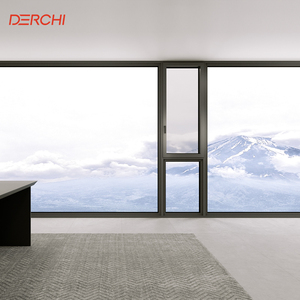
Engineered for high acoustic isolation, thermal control, and sleek minimalist aesthetics. Shipped ready for assembly to Brazil's commercial hubs and luxury real estate developments.
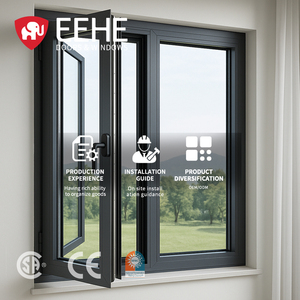
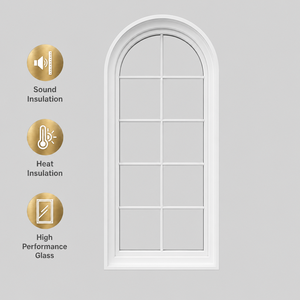
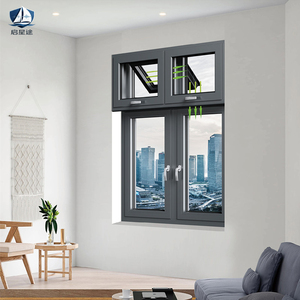
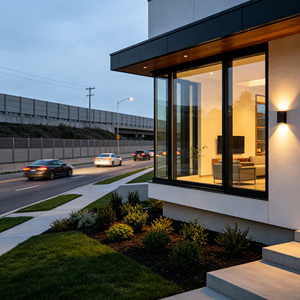
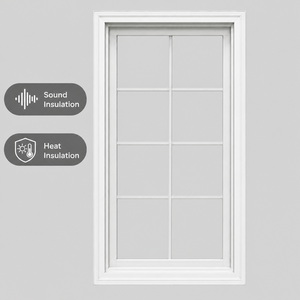
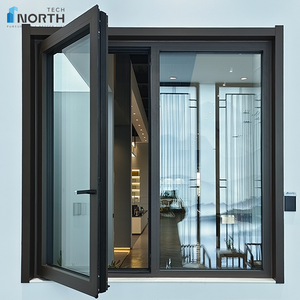
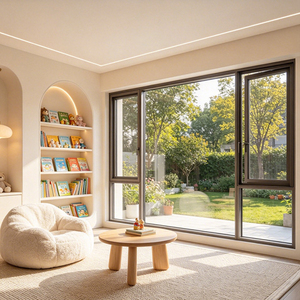
The Brazilian architectural landscape presents a sophisticated blend of tropical modernism, dense commercial office towers, and expansive luxury residential compounds. To meet the specific demands of developers, general contractors (construtoras), and architectural specifiers in primary metropolitan regions such as São Paulo (Avenida Paulista, Faria Lima, Chácara Santo Antônio), Rio de Janeiro (Barra da Tijuca, Zona Sul), Brasília, and Curitiba, interior glass partition systems must deliver exceptional acoustic control, flexible spatial planning, and high structural resilience against environmental humidity.
1. Corporate Headquarters & Financial Institutions (São Paulo Commercial Sector): In high-density corporate districts, open-plan offices require rigorous sound attenuation between executive boardrooms, private video-conferencing suites, and collaborative work zones. Our double-glazed acoustic aluminium partition walls, utilizing PVB acoustic laminated glass, achieve sound transmission class (STC) ratings exceeding 45 dB. This ensures total conversation privacy compliant with confidentiality protocols while maximizing natural daylight distribution through floor-to-ceiling glass sightlines.
2. Coastal Hospitality & High-End Residential (Rio de Janeiro & Santa Catarina): Luxury oceanfront apartments and boutique hotels face aggressive saline microclimates and elevated moisture levels. Our architectural aluminium extrusion profiles are treated with specialized QUALICOAT-certified powder coating (60–80 microns) or anodization treatments (15–25 microns). This prevents surface oxidation and pitting caused by coastal air exposure, while slimline internal glass sliders maintain expansive panoramic views without compromising thermal break isolation.
3. Healthcare Facilities & Research Centers (Campinas & Porto Alegre): Modern Brazilian medical hubs require partition systems that strictly adhere to hygienic parameters. Our frameless and flush-fitted aluminium glass partitions allow seamless integration of Smart Switchable Privacy Glass (PDLC technology), transitioning from clear to opaque at the push of a button. Smooth, non-porous aluminium profile surfaces withstand chemical sanitization, providing sterile dividers for ICU rooms, consultation offices, and diagnostic laboratories.
"In Brazilian corporate fit-outs, balancing daylight transfer with acoustic isolation under ABNT NBR 10152 standards is essential. Our custom aluminum glass partitions deliver engineered sound reduction without sacrificing aesthetic transparency."
As the construction market in Brazil transitions toward sustainable building frameworks (such as LEED Brazil and AQUA-HQE certifications), the specification requirements for building envelope components and interior partition modules have evolved significantly. Importing glass and aluminium systems into Brazil requires detailed technical alignment with local regulatory bodies and national standards established by the ABNT (Associação Brasileira de Normas Técnicas).
Compliance with ABNT NBR 10821 & NBR 7199: Architectural safety is paramount. All exported glass partition assemblies undergo rigorous physical loading and structural deflection checks. Glass components adhere to NBR 7199 (Projeto, execução e aplicações de vidros na construção civil), mandating tempered safety glass or laminated safety glass configurations for overhead or floor-adjacent applications. Aluminium profile alloys utilize 6063-T5 or 6063-T6 heat-treated tempers to ensure structural compliance with NBR 10821 for mechanical stress and wind-load resistance in multi-story installations.
Acoustic Isolation Standards (ABNT NBR 10152): Noise pollution in Brazilian megacities makes acoustic comfort a primary metric for corporate real estate value. Our partition profiles incorporate multi-chamber sound-barrier gaskets made of high-density EPDM rubber combined with structural thermal break polyamide strips. This engineering minimizes sound transmission, aligning perfectly with NBR 10152 targets for corporate noise control (35–45 dBA operational limits).
| System Specification Parameter | Standard Technical Value | Brazil Regulatory & Application Alignment |
|---|---|---|
| Aluminium Alloy Temper | Architectural Grade 6063-T5 / 6063-T6 | Exceeds ABNT NBR 10821 structural deflection criteria. |
| Acoustic Insulation (STC / Rw) | 38 dB to 48 dB (Double Glazed) | Fully compliant with ABNT NBR 10152 corporate acoustic guidelines. |
| Surface Protection Finish | Powder Coat (60–80µm) / Anodized (25µm) | QUALICOAT standard, highly resistant to coastal saline oxidation. |
| Glass Build-Up Configurations | 8mm–12mm Toughened / 6.38–12.76mm Laminated | Strict compliance with ABNT NBR 7199 safety glazing norms. |
| Thermal Break Integration | PA66 Polyamide Thermal Barrier Strips | Reduces HVAC cooling load in tropical Brazilian regional climates. |
| Hardware & Gasket Materials | European Multipoint Locking / EPDM Gaskets | Durable cycling performance for heavy commercial traffic zones. |
Over two decades of precision manufacturing, engineered CAD customization, and direct sea-freight export logisitics tailored for Brazilian ports.
From raw ingot handling and CNC profile extrusion machining to automated powder coating and insulated glass assembly, our 25+ years of operational history guarantees strict dimensional tolerances under one roof.
We do not sell rigid off-the-shelf inventory. Our in-house engineering team converts architectural elevations into detailed shop drawings, verifying mullion sightlines, anchoring details, and U-values before cutting profile stock.
We provide full container load (FCL) packing in heavy-duty reinforced steel-banded crates and A-frame glass STILLAGE. Complete export documentation (B/L, Commercial Invoice, Packing List, Certificate of Origin) ensures streamlined clearance at Santos, Paranaguá, and Rio de Janeiro ports.
In addition to traditional sliding and casement profiles, we engineer friction-free magnetic levitation sliding glass door partitions. Maglev technology eliminates floor rollers, delivering whisper-quiet sliding operation for high-end luxury developments.
Our partition systems are factory-prepared to receive top-tier European multipoint hardware, drop-down acoustic bottom seals, hidden door closers, and integrated electrical wiring conduits for Smart Privacy Glass controls.
Every order undergoes mock-up dry assembly, diagonal tolerance verification, and operation cycling tests at our factory before packing. Video inspection reports are delivered directly to your project managers prior to container sealing.
Clear answers regarding customs clearance, lead times, technical customization, and installation support in Brazil.
We regularly handle international project exports. For Brazilian clients (construtoras, importers, and architectural buyers), we issue comprehensive shipping documentation—including detailed Commercial Invoices, Packing Lists with NCM (Nomenclatura Comum do Mercosul) tariff classification codes, Bill of Lading (B/L), and Certificates of Analysis for aluminium alloy tempers. Cargo is securely packed in sea-freight certified wooden crates compliant with ISPM 15 phytosanitary standards to ensure smooth clearance through Brazilian Receita Federal and Siscomex procedures at destination ports such as Santos or Rio de Janeiro.
Yes. Our engineering division reviews your project requirements against relevant Brazilian standards before production. Profiles are calculated to withstand mechanical deflection under ABNT NBR 10821, and glass units comply with ABNT NBR 7199 safety glazing mandates. For acoustic projects requiring compliance with ABNT NBR 10152, we provide double-glazed insulated partition configurations utilizing acoustic PVB interlayers and multi-chamber EPDM seals capable of achieving sound attenuation ratings up to STC 48 dB.
Standard architectural aluminium partition systems and casement windows are fabricated within 4 to 6 weeks following final shop drawing approval. Complex automated, magnetic levitation, or custom curved profiles require 6 to 8 weeks. Ocean freight transit from our facility to major ocean terminals in Brazil (such as Port of Santos or Paranaguá) typically takes between 28 to 35 days. Full logistics schedules are confirmed in writing prior to order kickoff.
Absolutely. We offer complete surface finish customization based on RAL color palettes, architectural anodizing (matte, bronze, champagne, black), and wood-grain thermal transfer finishes. For coastal installations in Brazil (such as Barra da Tijuca or Florianópolis), we apply high-durability marine-grade architectural powder coatings (60–80 microns) tested against salt-spray corrosion to guarantee long-term color stability and finish integrity.
For international ocean freight export, our standard threshold is one 20ft Full Container Load (FCL) or a complete project scope (e.g., a corporate office floor fit-out or multi-unit residential villa package). For established distributors evaluating quality or contractors running specialized commercial trials, consolidated LCL (Less than Container Load) shipping in customized A-frame crates can be arranged upon discussion.
All partition systems ship with labeled components matching comprehensive installation manuals, CAD exploded views, and hardware placement schedules. Profiles are pre-milled and pre-drilled at the factory to streamline job site assembly. For large-scale commercial developments or specialized motorized/maglev installations, our technical engineering team offers remote video commissioning guidance and real-time site support to assist your local installation crews.
Send us your architectural drawings, elevation schedules, or tender documents. Our engineering team will return a complete technical proposal, CAD mullion review, and export price quotation.