Explore our factory-tested range of laminated glass, low-emissivity soundproof windows, and thermally isolated structural glazing manufactured to international SGCC, CE EN 14449, and AS/NZS 2208 standards.
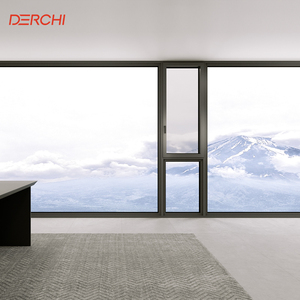
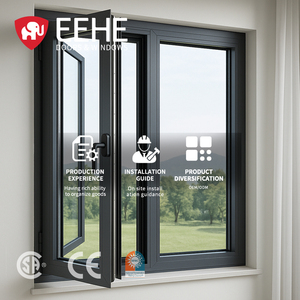
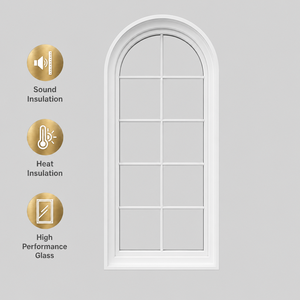
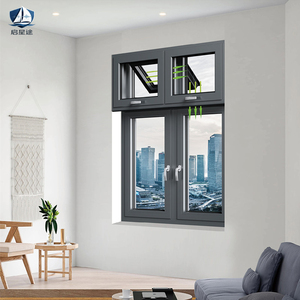

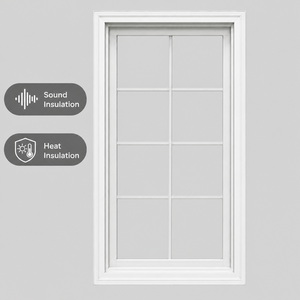
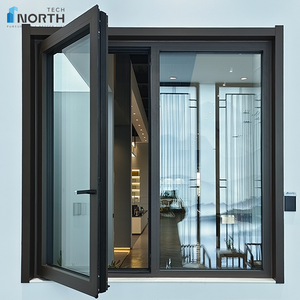
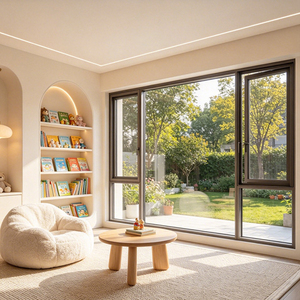
Selecting the right China laminated glass supplier requires an in-depth understanding of material science, interlayer behavior under load stress, solar heat transfer, and structural safety performance. Laminated glass is no longer evaluated merely as a safety barrier; modern architectural glazing demands dynamic acoustic isolation, hurricane-resistance, structural stiffness, and extreme thermal efficiency.
Laminated architectural glass consists of two or more panes of glass permanently bonded together under heat and pressure using a specialized polymer interlayer—primarily Polyvinyl Butyral (PVB), SentryGlas® Ionoplast (SGP), or Ethylene Vinyl Acetate (EVA). When fractured, the glass fragments adhere firmly to the internal interlayer, preventing shards from detaching and causing severe injury, maintaining structural envelope integrity post-breakage.
The operational resilience of safety laminated glass is defined by its core polymer interlayer. B2B importers and facade engineers must specify interlayers based on structural wind loads, deflection limits, and exposure to humidity or edge delamination risks:
| Performance Characteristic | Standard PVB Laminated | SGP Ionoplast Laminated | Acoustic PVB Laminated | Standard Monolithic Tempered |
|---|---|---|---|---|
| Post-Breakage Structural Behavior | Flexible / Sagging | Rigid / Self-Supporting | Flexible / Damped | Shatters into Granules |
| Young's Modulus (Shear Stiffness) | ~ 0.6 to 1.5 MPa | ~ 300 to 400 MPa | ~ 0.4 to 1.0 MPa | N/A (No Interlayer) |
| Acoustic Isolation (STC Rating) | 35 - 38 dB | 34 - 36 dB | 39 - 48 dB (with IGU) | 28 - 32 dB |
| Edge Delamination Risk (Exposed) | Moderate (Moisture Sensitive) | Extremely Low (Weather Proof) | Moderate | None |
| Primary B2B Application | Windows, Doors, Partitions | Structural Fins, Canopies, Facades | Hotel / Airport Noise Isolation | Low-Risk Interior Fitouts |
High-end residential and commercial developments frequently combine laminated safety glass into Insulated Glass Units (IGUs) with spectral-selective Low-E coatings. Positioning the Low-E coating on surface #2 (interior face of the exterior pane) maximizes reflection of long-wave radiant heat while retaining high Visible Light Transmittance (VLT).
Furthermore, filling the internal cavity of a laminated double-glazed unit with 90%+ Argon gas reduces conductive heat transfer, delivering ultra-low overall Thermal Transmittance (U-Values down to 1.1 W/m²K in standard IGUs, and down to 0.79 W/m²K in Passive House certified triple-glazed configurations like our NT91 series).
Driven by global net-zero carbon initiatives and modern architectural aesthetics, China's leading glass manufacturers are pioneering next-generation structural processing technology.
Integration of Polymer Dispersed Liquid Crystal (PDLC) films within the laminated interlayer allows instantaneous transition from opaque to crystal clear upon electrical activation, replacing conventional blinds in modern corporate boardrooms, luxury bathrooms, and medical facilities.
Architects are pushing spatial boundaries with floor-to-ceiling visual continuity. State-of-the-art Chinese autoclaves can now process ultra-clear low-iron laminated glass panels stretching up to 12 to 15 meters in length, engineered with multi-layer SGP laminates for hurricane wind resistance.
Photovoltaic cells embedded directly between laminated glass sheets turn skyscraper curtains and spandrels into clean energy generators without sacrificing structural safety or facade visual design, accelerating LEED green building credits.
As international building codes enforce stricter energy performance metrics (such as Title 24 in California, EU Energy Performance of Buildings Directive, and AS 1288 in Australia), procurement teams must evolve their sourcing criteria when selecting China laminated glass manufacturers:
Global labor costs on construction sites continue to escalate. Importers are shifting from buying raw glass panes to importing complete pre-glazed, thermally broken aluminum window units and unitized curtain wall cassettes. Pre-assembled systems reduce site installation errors by over 60% and ensure factory-sealed airtightness.
Environmental Product Declarations (EPD) providing carbon footprint accounting across raw float glass production, tempering, and lamination are becoming mandatory in Western B2B tenders. Top China manufacturers are adopting recycled float cullet and solar-powered factory lines to deliver verified low-carbon architectural glass.
Delamination or glass breakage during long sea transit destroys project timelines. Modern B2B sourcing mandates custom steel-reinforced A-frame crates, desiccated moisture-barrier vacuum wrapping, and shock-sensor logging for every export container shipment.
We combine vertical manufacturing integration—from aluminum profile extrusion to cleanroom glass lamination—with rigorous 4-stage quality control checks.
Our lamination processing takes place in a Class 10,000 climate-controlled cleanroom with automatic temperature and humidity regulation, eliminating dust contamination, bubble formation, and micro-delamination risks.
Equipped with state-of-the-art forced convection tempering furnaces, ensuring optical clarity, zero roller wave distortion (under 0.05mm), and minimal anisotropic strain patterns on soft-coat Low-E glass.
To eliminate spontaneous breakage caused by Nickel Sulfide (NiS) inclusions in toughened glass, 100% of our tempered structural glass can undergo Heat Soak Testing in accordance with EN 14179 standards prior to lamination.
Every shipment is backed by batch test certificates covering impact resistance, boil test performance, pummel tests, and optical distortion checks under US SGCC, European CE EN 14449, and Australian AS/NZS 2208 certifications.
Everything you need to know about engineering specs, minimum order quantities, export logistics, and customization options.