Engineered to deliver exceptional Sound Transmission Class (STC) ratings up to 52 dB. Tested according to ASTM E90 and ISO 10140 standards for residential, commercial, and luxury hospitality developments.
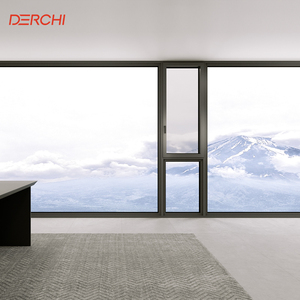
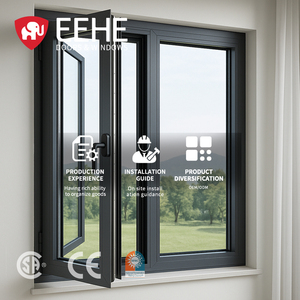
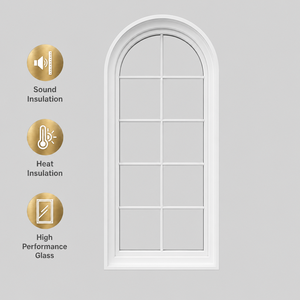
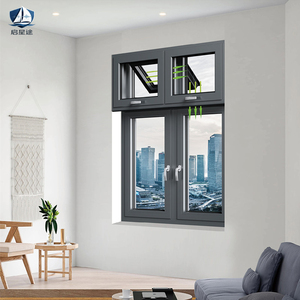
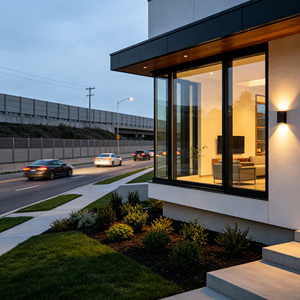
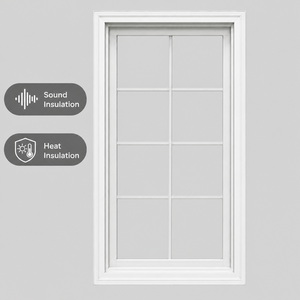
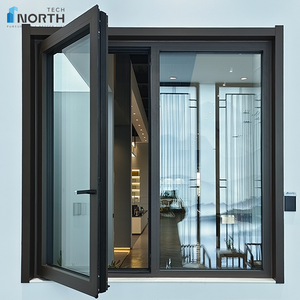
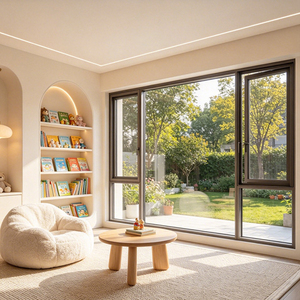
Understanding the physics of sound transmission loss across different glass configurations is essential for specifying the correct architectural envelope.
| Glazing Configuration | Overall Thickness | Interlayer / Cavity Specs | STC Rating | Rw (C; Ctr) dB | Target Noise Source |
|---|---|---|---|---|---|
| Single Laminated Acoustic Glass | 12.76 mm | 6mm + 0.76mm Acoustic PVB + 6mm | STC 38 | 37 (-1; -4) dB | Human Voice, Light Suburban Traffic |
| Asymmetric Double Glazed Unit (DGU) | 28.00 mm | 6mm + 12mm Argon + 10mm Clear | STC 42 | 41 (-2; -5) dB | City Urban Traffic, Mechanical HVAC |
| Acoustic PVB Laminated DGU | 32.52 mm | 6mm + 12mm Argon + 6.52mm Acoustic PVB | STC 46 | 45 (-1; -4) dB | Highway Noise, Commercial Districts |
| Triple-Glazed Asymmetric Laminated | 44.00 mm | 8mm Low-E + 12A + 6mm + 12A + 6.52mm PVB | STC 50 | 49 (-2; -6) dB | Railway Noise, Low-Frequency Engine Vibration |
| Vacuum Insulated Acoustic Glass (VIG) | 22.00 mm | 8mm VIG (0.3mm Vacuum) + 12A + 6.52mm PVB | STC 52+ | 51 (-1; -5) dB | Airport Flight Paths, High-Decibel Industrial Zones |
Top-tier Chinese acoustic glass and window manufacturers leverage full vertical integration, advanced material physics, and rigorous quality control to dominate global supply chains.
By incorporating specialized acoustic Polyvinyl Butyral (PVB) and Structural Sound-Damping Interlayers (such as Saflex Vanceva), our laminated glass dampens critical coincidence frequency dips between 1000 Hz and 3000 Hz where human ears are most sensitive.
Matching identical glass pane thicknesses causes sympathetic resonance, allowing sound waves to pass easily. We engineer units with asymmetric glass panes (e.g., 6mm exterior pane combined with an 8mm or 10mm interior pane) to break wave resonance and maximize sound transmission loss.
Acoustic insulation is compromised if sound leaks through hollow aluminum frames. We employ heavy-duty 6063-T6 architectural grade aluminum profiles insulated with multi-chamber Polyamide (PA66GF25) thermal barriers and EPDM co-extruded compression gaskets.
Acoustic integrity fails when assembly tolerances create micro-gaps. Our German-imported 5-axis CNC machining centers achieve cutting tolerances within ±0.1mm, ensuring exact miter joints, flush gasket seatings, and perfect perimeter seal compression.
Replacing standard ambient air inside double- or triple-glazed units with heavy inert gases like Argon (90%+ purity) or Krypton reduces sound transmission in medium frequencies while simultaneously improving overall window U-values down to 0.8 W/m²K.
Heavy acoustic glass units require specialized export packing. Windows are packed in steel-reinforced plywood crates with corner guards, while glass panels travel on custom A-frames equipped with shock-absorbing rubber padding to prevent damage during ocean transit.
Key technological shifts and sustainable manufacturing strategies shaping global B2B procurement over the next decade.
Traditional acoustic double glazing relies on deep profile frames (often 70mm to 110mm) to accommodate wider air gaps and thick laminated panes. The emerging trend in high-end architectural sourcing favors Vacuum Insulated Glass (VIG). By creating a 0.3mm vacuum space between glass sheets, sound cannot travel via air conduction. Combining VIG with an exterior acoustic PVB laminate delivers STC ratings over 52 dB in sleek, ultra-slim 22mm profiles suitable for retrofits and modern skyscrapers.
Architects no longer specify window systems based on acoustic performance alone. Modern commercial specs demand multi-functional glazing solutions. Leading Chinese exporters are now combining Polymer Dispersed Liquid Crystal (PDLC) switchable smart glass layers with acoustic PVB interlayers inside thermally broken frames. This provides instant visual privacy, dynamic solar shading, and noise mitigation in a single unit.
Standard STC ratings prioritize human speech frequencies (125 Hz to 4000 Hz). However, urban developments near airports, rail lines, and heavy truck corridors face intense low-frequency rumble (under 100 Hz). Future procurement requires specialized Rw + Ctr testing. Exporters in China are responding by manufacturing hybrid triple-glazed units using varying gas cavity widths (e.g., 16mm Krypton gap paired with 10mm Argon gap) specifically tuned to eliminate low-frequency structural resonance.
International developers subject to LEED, BREEAM, and EU Green Deal mandates require verified Environmental Product Declarations (EPDs). Leading Chinese suppliers are switching to hydro-powered primary aluminum smelting and incorporating up to 75% recycled aluminum (scrap alloy) into non-structural profiles, drastically cutting carbon footprints while maintaining structural integrity.
Direct engineering insights into common questions faced by international procurement managers, developers, and architects.
Both metrics evaluate sound insulation performance, but they follow different regional testing standards. STC is governed by ASTM E413 in North America and measures sound attenuation across 16 standard frequencies from 125 Hz to 4000 Hz, focused primarily on indoor office noise and speech. Rw is governed by ISO 717-1 in Europe and internationally, covering frequencies from 100 Hz to 3150 Hz. Rw typically includes correction factors: C for high-frequency noise (jet engines, high-speed rail) and Ctr for low-frequency urban traffic rumble. Generally, STC and Rw values are numerically similar, but specifying the correct standard ensures compliance with local building codes.
Every rigid material has a natural resonant frequency (known as the coincidence frequency) where it vibrates effortlessly and allows sound energy to pass through with minimal resistance. When a double-glazed window uses two glass panes of identical thickness (e.g., 6mm + 12A + 6mm), both panes resonate at the exact same frequency, causing a severe drop in acoustic isolation. By using asymmetric glass thicknesses (e.g., 6mm + 12A + 10mm or 6mm + 12A + 6.52mm laminated glass), each pane dampens different sound frequencies, preventing sympathetic resonance and yielding a 3 dB to 6 dB improvement in overall STC rating.
Not always. A standard double-glazed unit (5mm glass + 12mm air gap + 5mm glass) has an STC of around 31-33 dB, which can perform worse at low frequencies than a thick single sheet of acoustic laminated glass (6mm + 1.52mm PVB + 6mm = STC 38 dB) due to air-cavity resonance. However, when an asymmetric air gap or argon cavity is combined with an acoustic PVB laminate inside a double-glazed unit (DGU), it delivers superior thermal insulation and higher overall sound insulation (STC 44-48 dB).
Acoustic performance is only as good as the window seal; airborne sound will pass through micro-gaps like water. Premier Chinese manufacturers utilize continuous multi-chamber EPDM (Ethylene Propylene Diene Monomer) synthetic rubber weather-stripping along all frame sash perimeters. Additionally, sashes employ European multi-point shoot-bolt locking hardware that pulls the sash tight against the frame seals when closed, eliminating air filtration and maintaining acoustic integrity under high wind pressures.
International buyers should require: 1) Acoustic laboratory test reports according to ASTM E90 / ISO 10140 from accredited testing bodies (such as Intertek, SGS, or CNAS labs); 2) Structural Wind Pressure & Water Penetration test reports (ASTM E330, EN 12210); 3) Thermal performance testing (NFRC or CE standards); and 4) Mill Test Certificates (MTC) verifying that aluminum profiles conform to 6063-T5/T6 alloy composition standards.
Production lead time for customized acoustic windows typically spans 4 to 6 weeks following shop drawing approval and color swatch confirmation. Advanced systems (such as motorized maglev or passive-house triple glazing) require 6 to 8 weeks. Products are wrapped in protective PE film, cushioned with foam corner guards, packed into fully enclosed export plywood crates, and secured in sea containers with load straps to prevent movement during transport.
Need custom CAD shop drawings, STC lab test reports, or factory-direct B2B price quotes for your project scope? Speak directly with our lead acoustic facade engineers.