Buying Magnetic Levitation Windows can feel like choosing a product from the future. Their floating appearance may transform a living room, office, or showroom, especially when daylight passes around a frameless glass panel. Yet the visual effect should not replace careful judgment. A window must still manage weather, heat, noise, safety, and daily operation.
This guide presents seven practical tips for evaluating these specialized systems. It considers the levitation mechanism, glass construction, power requirements, installation conditions, maintenance access, supplier credibility, and long-term warranty support. Check the technical drawings. Ask how the panel behaves during a power failure. Confirm the load capacity, movement range, emergency stopping features, and resistance to moisture. Small details matter.
Some product descriptions use impressive language without measurable evidence. That deserves caution. Request test reports, material specifications, installation references, and clear performance ratings from the manufacturer. A qualified installer should inspect the wall structure before ordering, because a beautiful glass panel cannot compensate for weak support. Local building and electrical requirements also need professional review.
Expect trade-offs. Magnetic systems may require specialized servicing, and replacement parts may not be immediately available. I would not judge the product from showroom silence alone; real homes bring dust, temperature changes, fingerprints, and occasional noise. Compare the full ownership cost, not only the purchase price. With patient research and independent advice, Magnetic Levitation Windows can become a refined architectural feature rather than an expensive experiment.
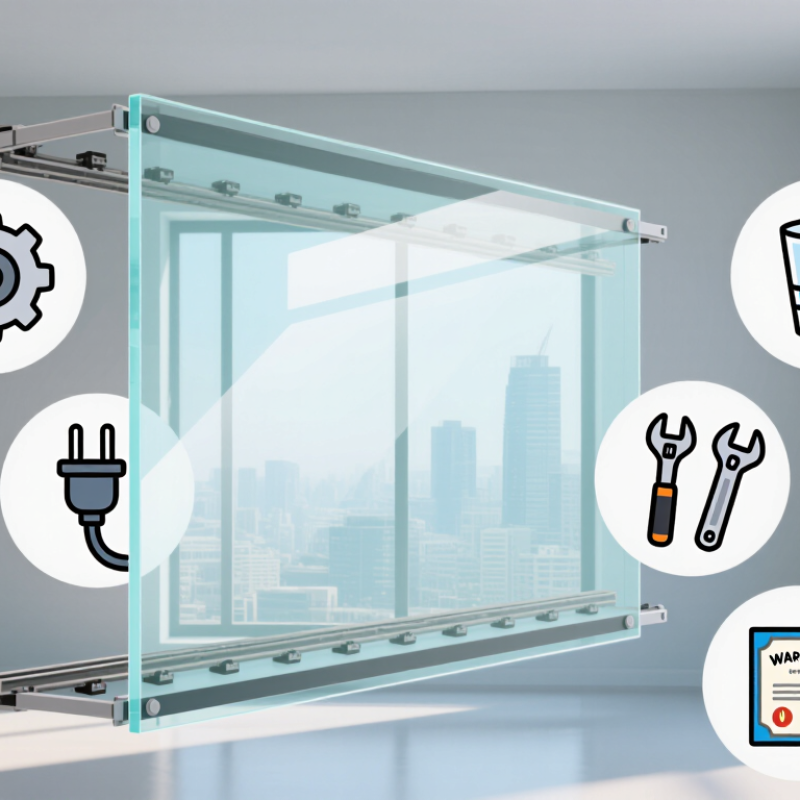
Magnetic-levitation windows are not one standard product category. Passive magnetic-assist systems use permanent magnets to reduce sash weight and friction. Active systems use electromagnets, sensors, and software to control movement. Hybrid designs combine magnetic support with mechanical guides. The difference matters. Some “floating” sashes still touch rails or safety stops.
Inspect the main components closely. The magnetic assembly carries or stabilizes the sash. Guide rails control alignment during opening. Sensors detect position, speed, and obstacles. A controller manages the electromagnetic field. Seals limit air and water leakage, while insulated glazing reduces heat transfer. Ask how the window closes during a power failure. A manual override is essential.
Performance should be measured, not assumed. The IEA’s Buildings 2023 report states that building operations account for about 30% of global final energy use. Better windows can support efficiency, but levitation alone does not guarantee it. Request air-leakage, water-resistance, thermal, and structural test results based on recognized standards. NFRC ratings can help compare U-factor and solar heat gain. ASTM testing can verify leakage and structural resistance. Watch the details.
A quiet demo may hide maintenance needs. Magnets can attract metal debris. Sensors may require recalibration. My practical concern is replacement access, often overlooked. Get written service intervals, load limits, emergency-release procedures, and measured noise data before buying.
Magnetic levitation windows may attract attention with quiet movement and futuristic hardware. However, the frame mechanism does not prove strong energy performance. Under NFRC 100, compare the window’s rated U-factor, SHGC, and visible transmittance before judging appearance or convenience.
U-factor indicates heat transfer through the complete window assembly. A lower value usually helps in cold weather. SHGC measures how much solar heat enters through the glass. A lower SHGC can reduce cooling demand, especially on sunny west-facing walls. Yet excessive solar control may reduce useful winter warmth. Visible transmittance shows how much daylight passes through the window. Higher VT can brighten a room, but glare may become uncomfortable near a desk or screen.
Read the NFRC label carefully, not only the glass specification. Check whether the rating covers the frame, seals, and moving sections. A small gap around a levitating panel could undermine an excellent center-of-glass result. That detail matters. Compare values from the same rating method and consider your local climate, window direction, shading, and room use. It is easy to chase the lowest U-factor and overlook SHGC or daylight quality. I would also request installation details, because laboratory performance can change with poor alignment or worn seals. The technology sounds advanced. The numbers still matter more.
Compare representative performance values for common window configurations. Lower U-factor generally means better insulation, while SHGC and visible transmittance should be selected according to climate, solar exposure, glare control, and daylighting needs.
The values shown are representative, non-branded examples for comparison. NFRC 100 primarily covers U-factor; SHGC and visible transmittance are evaluated and reported through related NFRC procedures.
Magnetic levitation windows remain a specialized product. Their moving systems need careful thermal and safety checks.
Tip 1: Request the measured emissivity for each coated glass surface. A value below 0.10 is a strong target, but it is not the whole performance story.
Tip 2: Confirm the coating location. The wrong surface can reduce solar control or increase indoor glare. The U.S. Department of Energy reports that low-E glass can reduce window heat loss by 30% to 50%.
Tip 3: Ask whether the insulating glass unit uses argon or krypton fill.
Tip 4: Request the gas concentration, spacer type, and seal warranty. Gas fill helps only when the edge seal remains reliable. The National Fenestration Rating Council evaluates U-factor, solar heat gain coefficient, and visible transmittance separately. Compare all three values. A low emissivity number alone can mislead buyers. I have seen specifications that looked impressive but ignored frame losses.
Tip 5: Check the whole-window U-factor, not only center-glass data.
Tip 6: Examine thermal bridges around rails, magnets, and power connections.
Tip 7: Ask for condensation resistance and failure-operation testing. The International Energy Agency’s 2023 buildings report identifies windows as important contributors to building energy performance. That sounds obvious, yet installation details are often underestimated. Request independent test reports, service procedures, and a manual release plan. These details may feel unexciting. They matter when the mechanism stops.
7 Tips for Buying Magnetic Levitation Windows
Magnetic levitation windows need more than smooth movement and futuristic hardware. Check the complete window assembly, including seals, frame joints, tracks, and locking points. Ask for an air-leakage report based on ANSI/NFRC 400. Lower air leakage usually means fewer drafts near the sill during windy weather. Do not rely on a showroom demonstration. A quiet sample room cannot reproduce winter pressure, rain, or poor installation.
Condensation resistance deserves equal attention. Request the NFRC 500 rating and study the test conditions behind it. A higher rating can reduce interior moisture on cold mornings, but it cannot fix excessive indoor humidity. Look for thermal breaks, warm-edge spacers, and insulated frames. Ask how the lower track drains water. A small drainage path can prevent a large repair later. Check whether the quoted values apply to the exact size and configuration you will buy.
Review the complete ANSI/NFRC label, including U-factor, solar heat gain coefficient, visible transmittance, air leakage, and condensation resistance. Confirm that the label belongs to the tested assembly, not only the glass. Installation changes performance. Use qualified installers, follow the manufacturer’s written tolerances, and photograph flashing before the wall is closed. Some sales claims may sound precise but remain incomplete. I would also request recent laboratory documentation and local project references. A careful buyer should still question the paperwork. Testing is valuable, but real walls are less forgiving.
7 Tips for Buying Magnetic Levitation Windows
Assess Safety, Installation Tolerances, Warranty, and Service Life
Check how the window behaves during power loss. A safe system should stop smoothly and remain supported. Ask for tested load ratings, emergency controls, and protection against unexpected movement. Finger-safe gaps matter, especially in homes with children. Request clear test records, not vague safety claims. In practice, installation quality often matters as much as the lifting mechanism. Small errors can create serious friction.
Measure the opening at several points, including the corners. Walls are rarely perfectly square. Confirm the allowed tolerance for level, plumb, and frame deflection before ordering. A difference of only a few millimeters may cause noise, uneven movement, or seal failure. The installer should explain shimming, anchoring, drainage, and weatherproofing details. Do not accept “it will fit” as a technical answer. I once underestimated this issue on a renovation project.
Read the warranty line by line. Separate coverage for glass, motor components, controls, seals, and installation labor. Check response times, inspection fees, and replacement conditions. Ask who provides service after the original installer leaves. A long warranty means little without accessible parts and trained technicians. Request a maintenance schedule covering tracks, sensors, seals, and electrical connections. Service life depends on cleaning and adjustment, not only advertised cycles. Keep written records of inspections and repairs. That detail is easy to overlook.
Compare the complete window’s U-factor, SHGC, and visible transmittance. Lower U-factor usually reduces heat transfer in cold weather. SHGC controls solar heat entering through the glass. Visible transmittance shows how much daylight enters. The frame matters too.
A low U-factor can help during winter. However, it may not suit every climate or room. A west-facing window may still admit too much afternoon heat. Check SHGC, shading, and window direction together. One number is not enough.
SHGC measures solar heat entering through the window. A lower value can reduce cooling demand on sunny walls. Excessive solar control may remove useful winter warmth. Imagine a bright desk near west-facing glass. That room may still overheat.
Higher visible transmittance can make a room brighter. It may also create glare near screens or desks. Consider blinds, furniture placement, and daily room use. More daylight is not always better daylight. I might overlook this.
No. Read the complete NFRC label. Confirm that the rating includes the frame, seals, and moving sections. A small gap around a moving panel can weaken performance. Center-of-glass results may look excellent. The installed window can perform differently.
Ask how the system behaves during power loss. It should stop smoothly and remain supported. Request tested load ratings and emergency control details. Check protection against unexpected movement. Finger-safe gaps matter around children. Vague claims are not enough.
Measure the opening at several points, including all corners. Walls are rarely perfectly square. Confirm allowed tolerances for level, plumb, and frame deflection. Small errors can cause noise, friction, or seal failure. Ask about shims, anchors, drainage, and weatherproofing. “It will fit” is not a technical answer.
Read coverage for glass, motors, controls, seals, and installation labor separately. Check response times, inspection fees, and replacement conditions. Ask who provides service after the installer leaves. Accessible parts and trained technicians matter. Request maintenance intervals for tracks, sensors, seals, and electrical connections. A long warranty can still disappoint.
Magnetic Levitation Windows use magnetic forces to support, move, or stabilize the sash, reducing friction and potentially improving comfort and energy performance. Before buying, identify the window type and examine its key components, including the frame, glazing, seals, magnetic mechanism, controls, and mounting hardware. Compare the U-factor, solar heat gain coefficient (SHGC), and visible transmittance under NFRC 100 to balance insulation, daylight, and solar control for your climate.
Also review low-E coating performance, especially products with emissivity below 0.10, and compare available gas-fill options. Confirm air-leakage ratings, condensation resistance, and applicable ANSI/NFRC test results rather than relying only on marketing claims. Finally, evaluate safety features, installation tolerances, adjustment requirements, warranty coverage, replacement-part availability, and expected service life. A careful assessment of these factors can help ensure that the selected window delivers reliable operation, durable performance, and value over time.